Day Five – Part Four: Botallack – Geevor Tin Mine | West Cornwall Fully Loaded Cycle Tour 2020
This was my second cycle touring trip of 2020 after my ‘warm-up’ trip to Telford the month before (I say warm-up because it was my first trip out of town whilst we were dealing with the Covid crisis and was a good insight into seeing how cycle/camping worked under these conditions). I had planned to cycle around the South West Peninsula of Cornwall from Penzance to St Ives and along the coastline camping as I go.
Along the way I visited some of Cornwall’s most fascinating historic spots including the Porthcurno Museum of Global Communications formally the Porthcurno Telegraph Station, or PK, where the first international telegraph cable was brought ashore and was the World’s most important station during the late Victorian era and also Geevor Tin Mine, formerly North Levant Mine, which was operational between 1911 and 1990 and is now museum and heritage centre left as a living history of a working tin mine.
There was so much to say about this trip but as usual I’m going to let the photos tell the story and also the captions for each one and I can throughly recommend cycling/hiking around this area as there is so much history left in place to see!
Enjoy! 😀
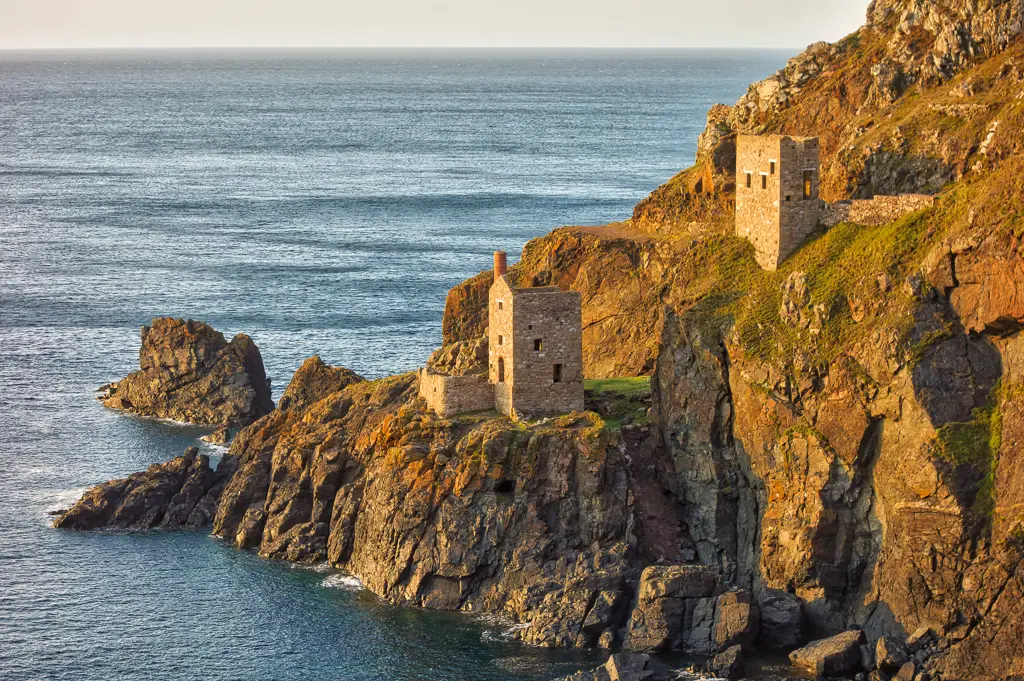
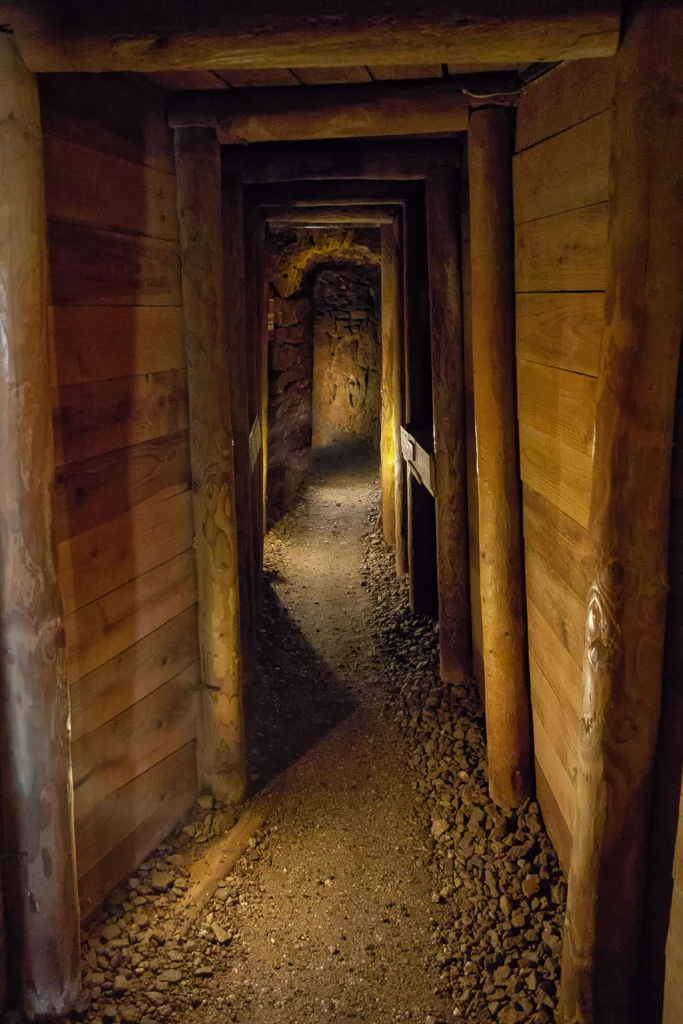
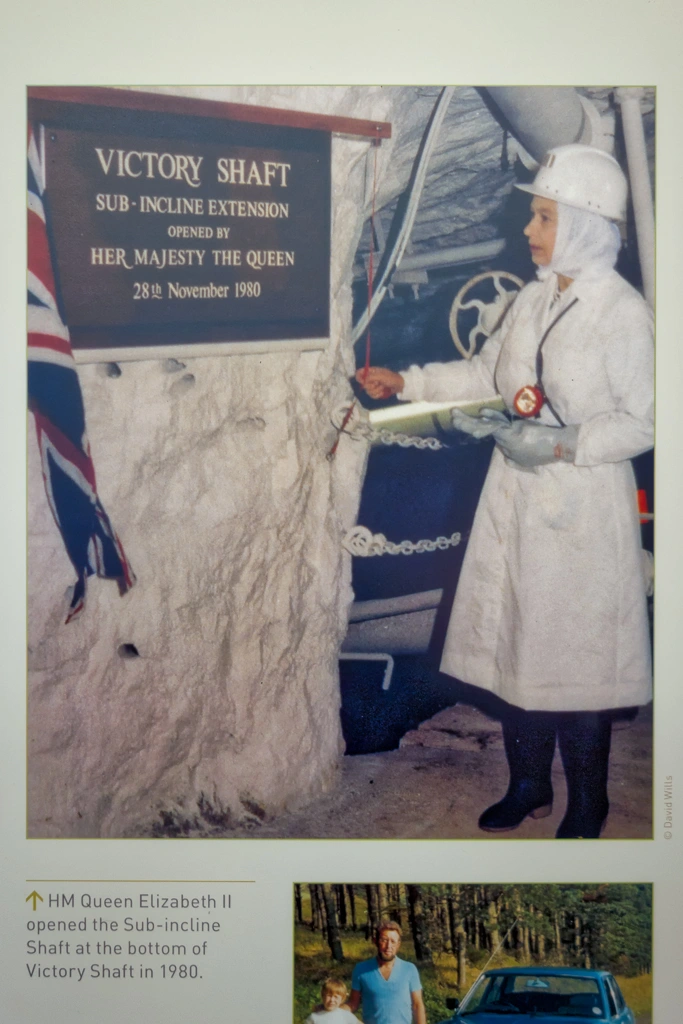
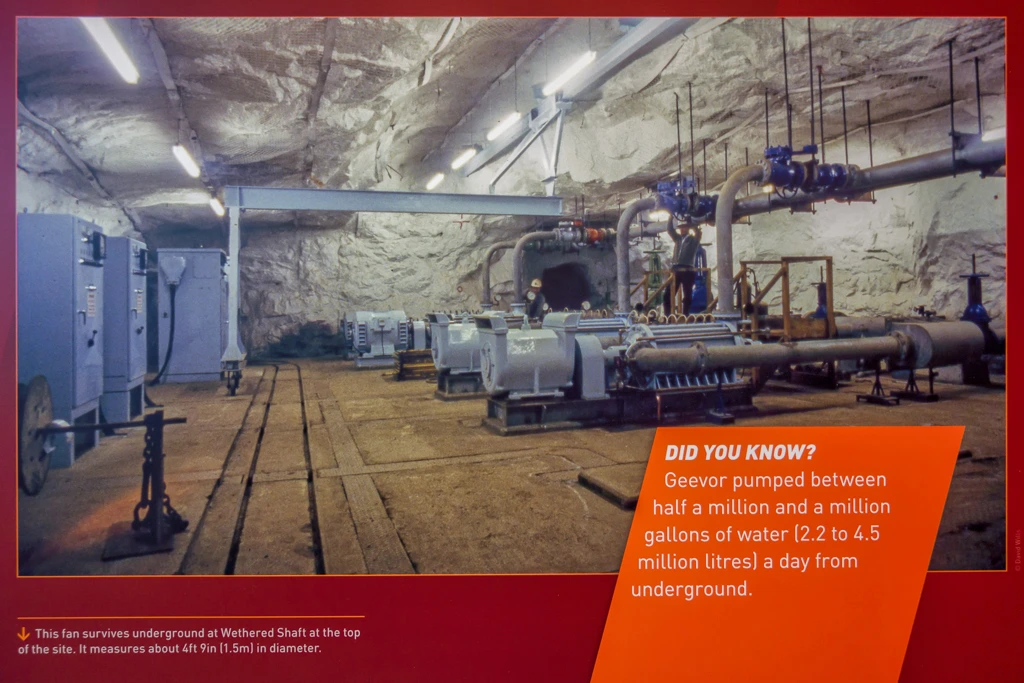
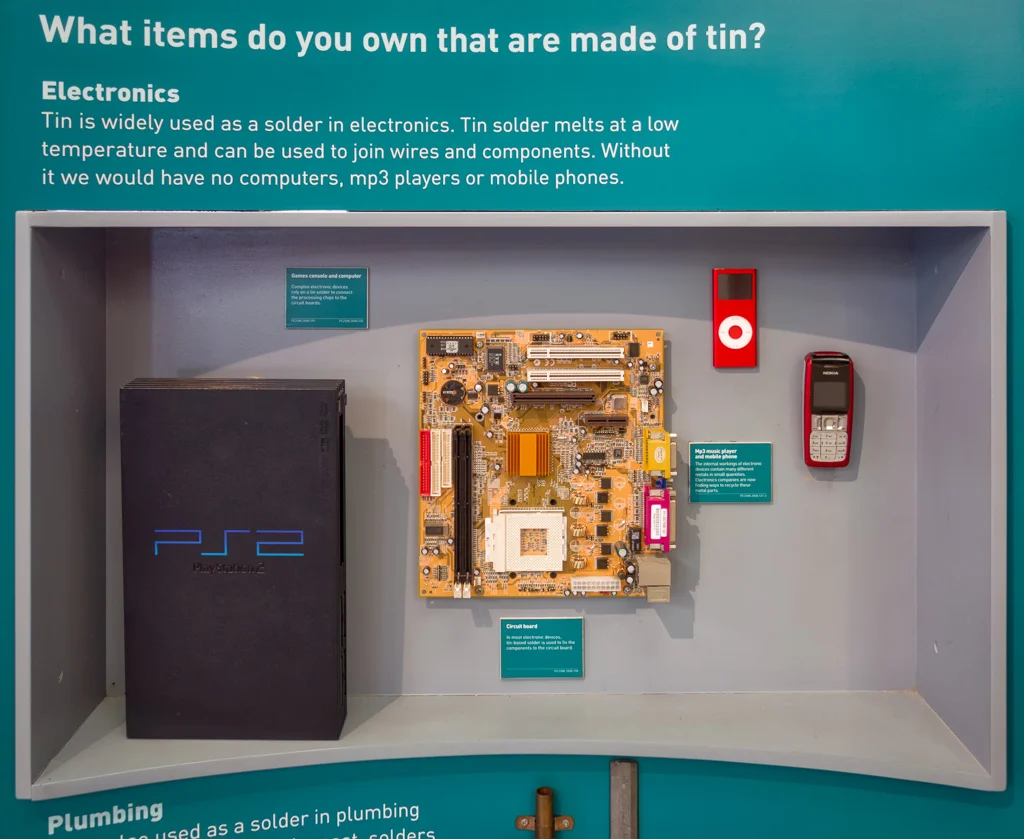
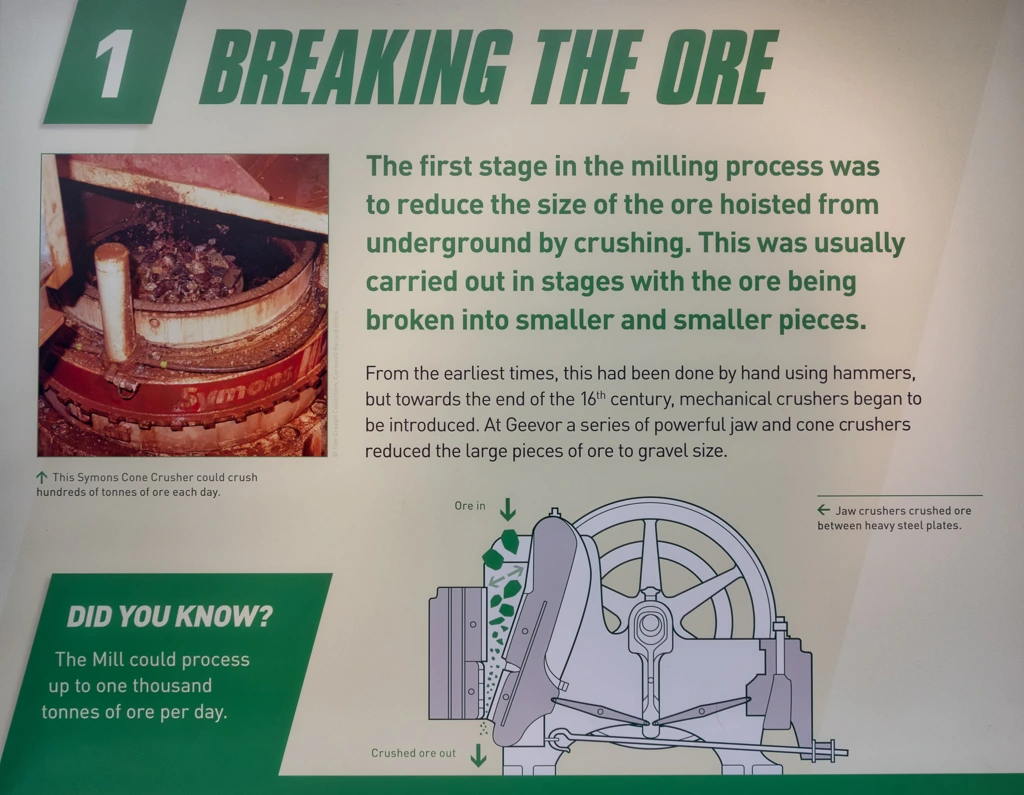
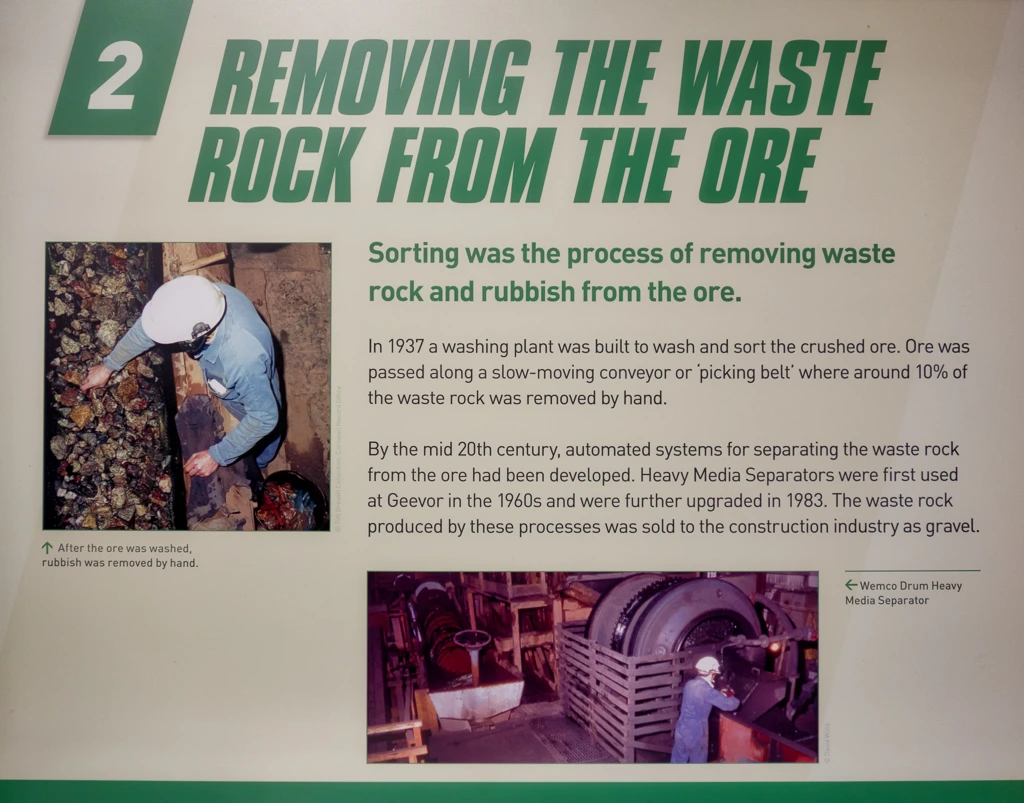
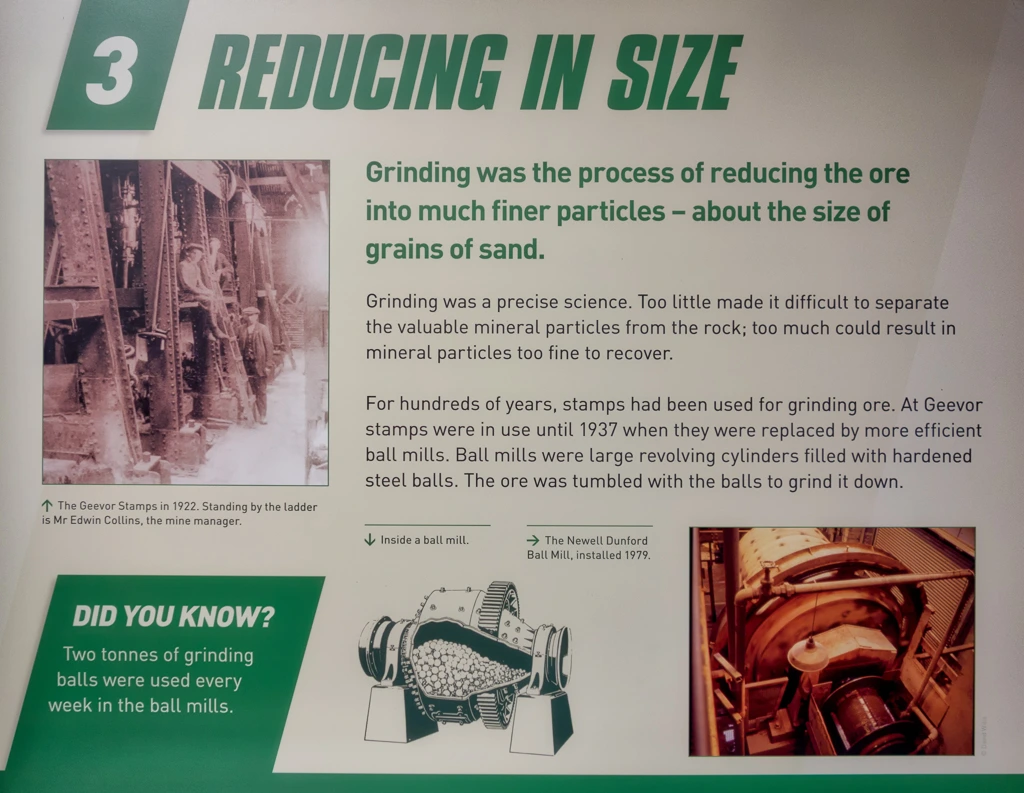
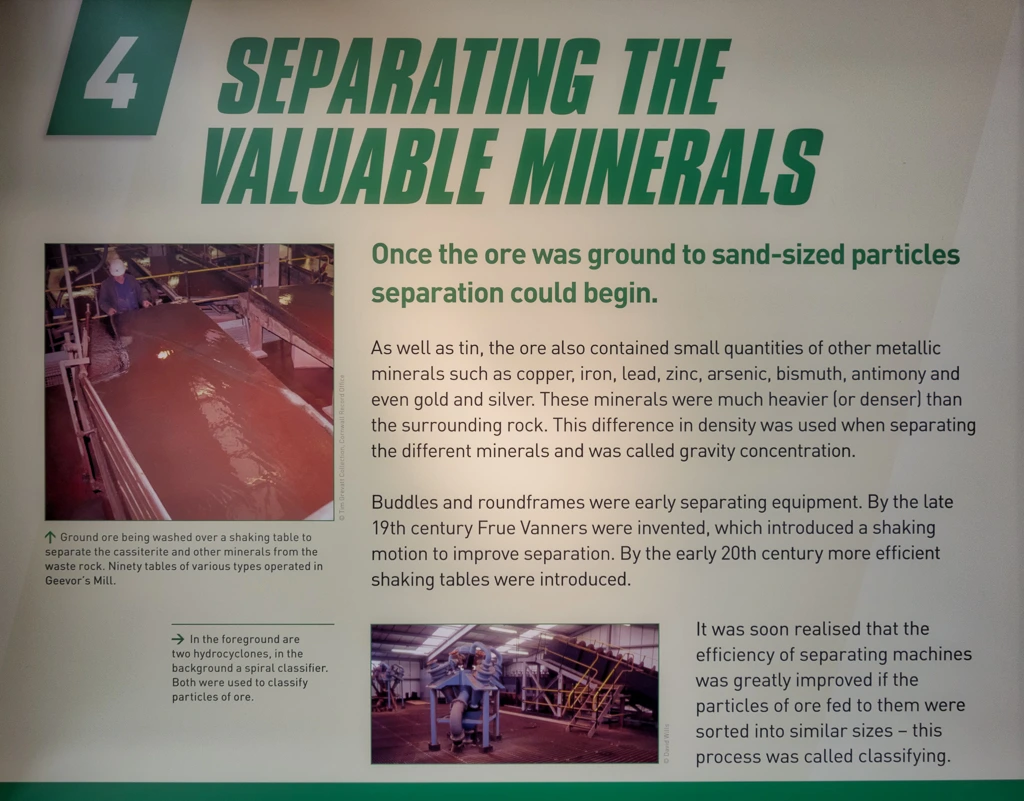
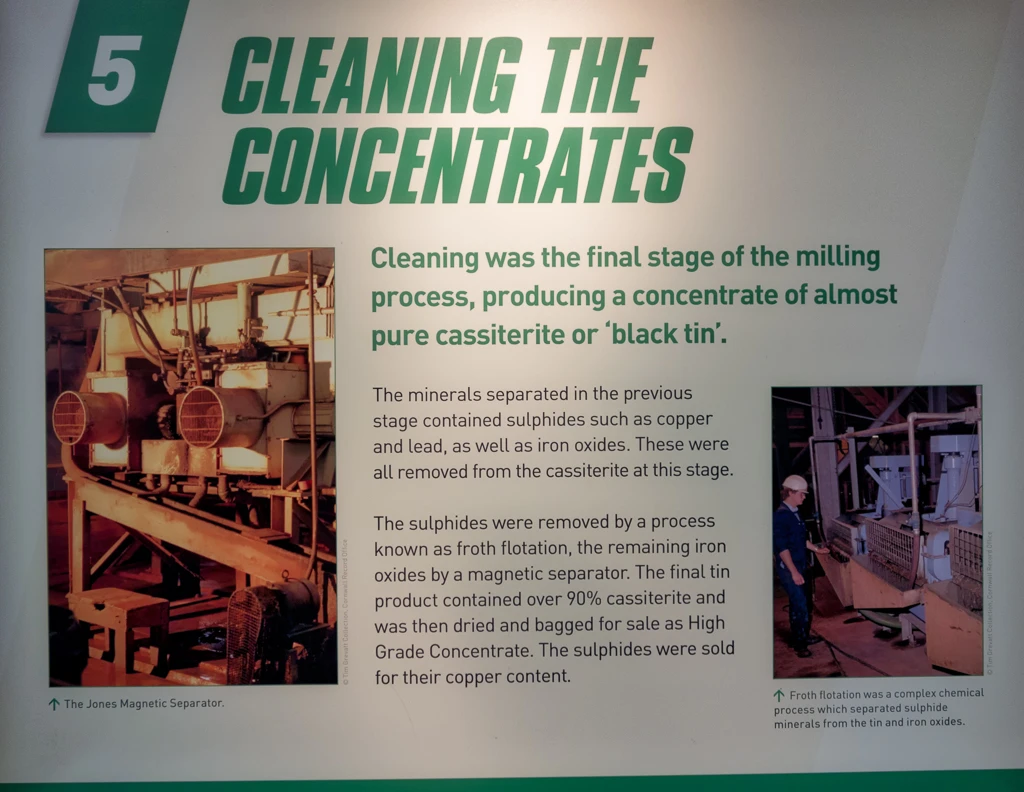
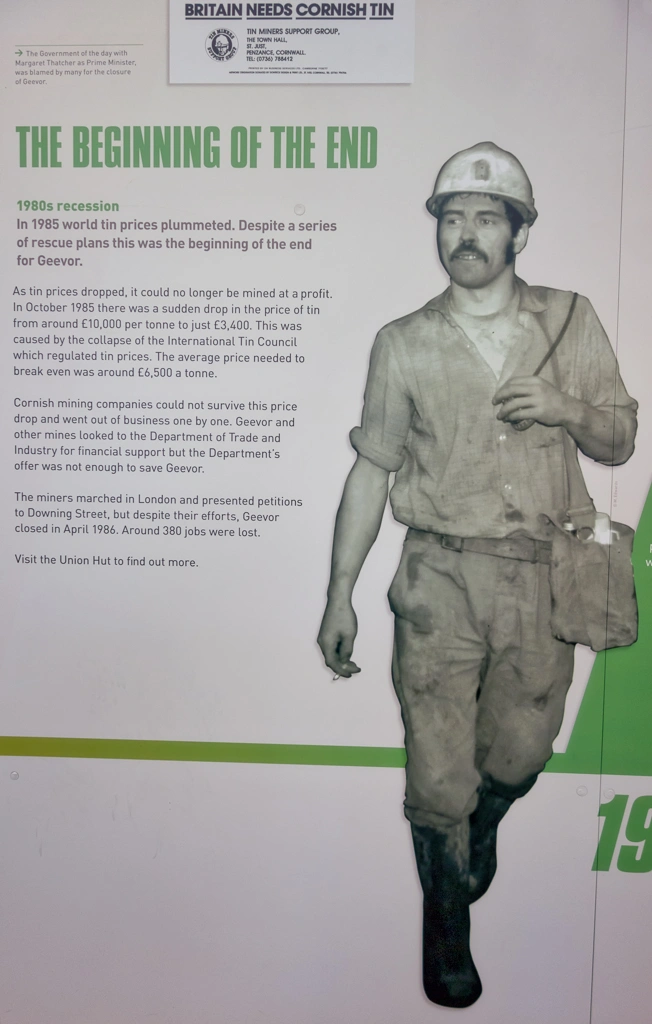
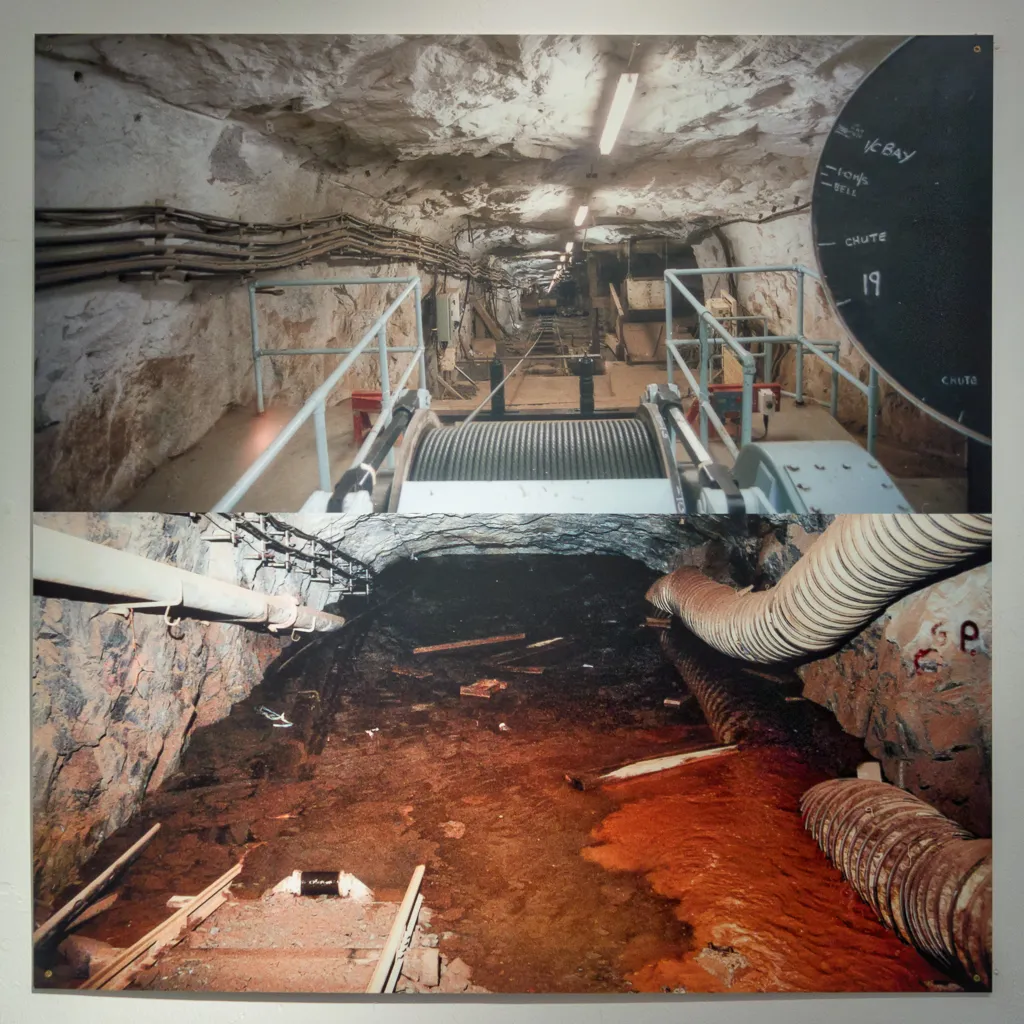
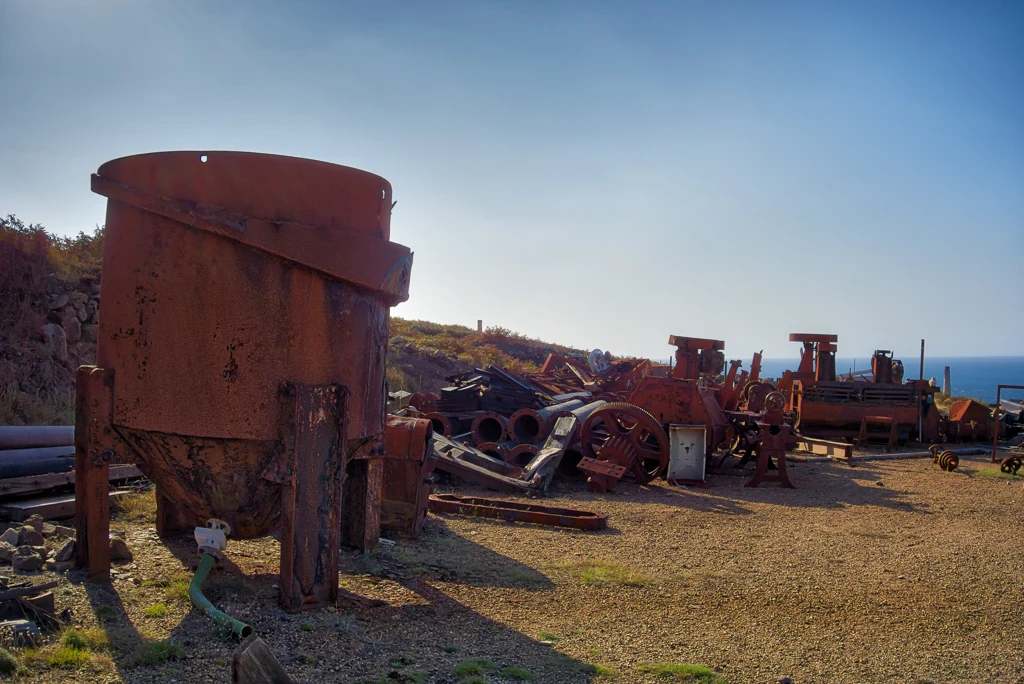
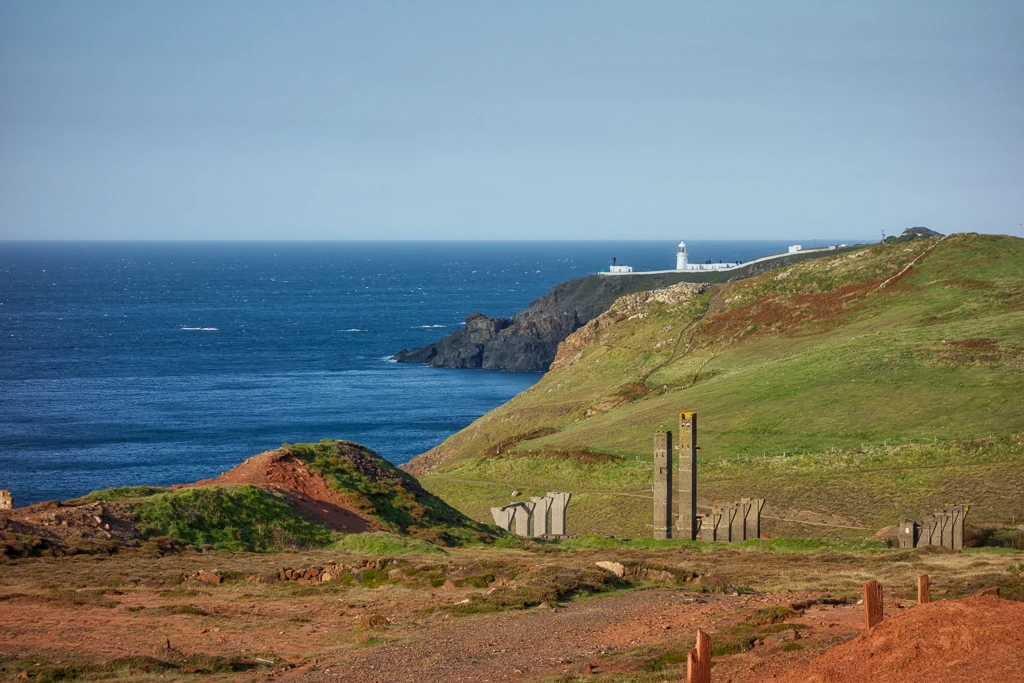
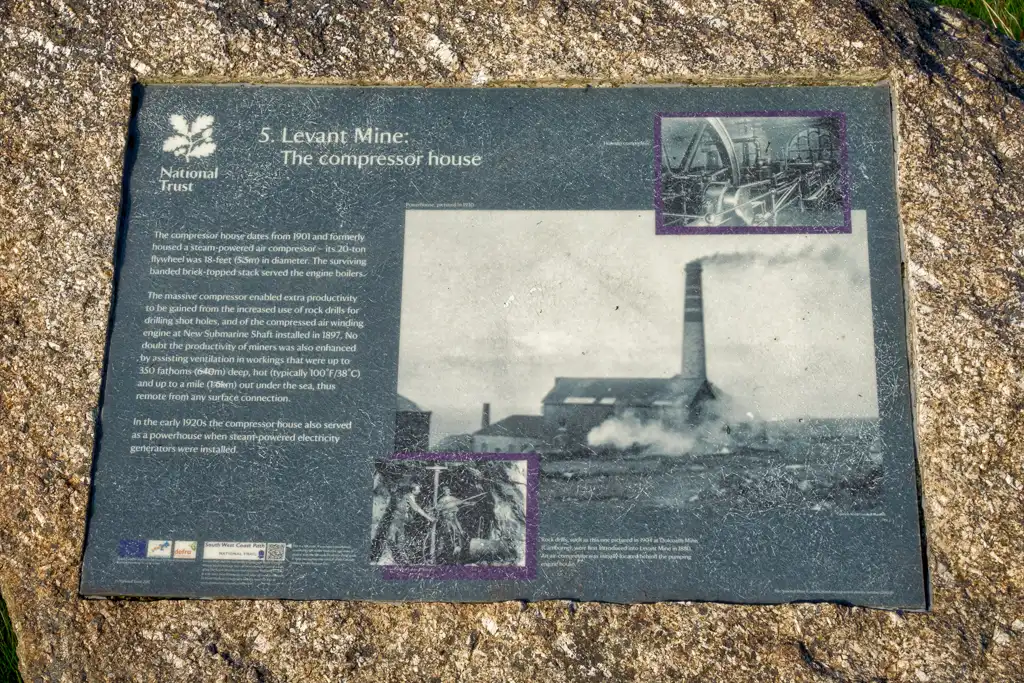
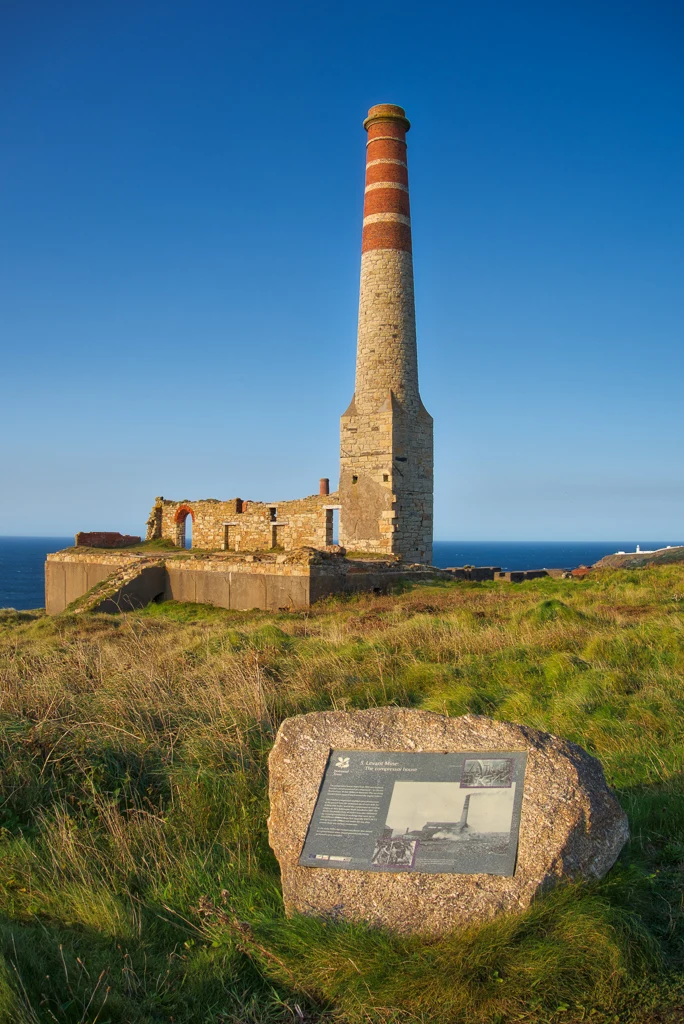
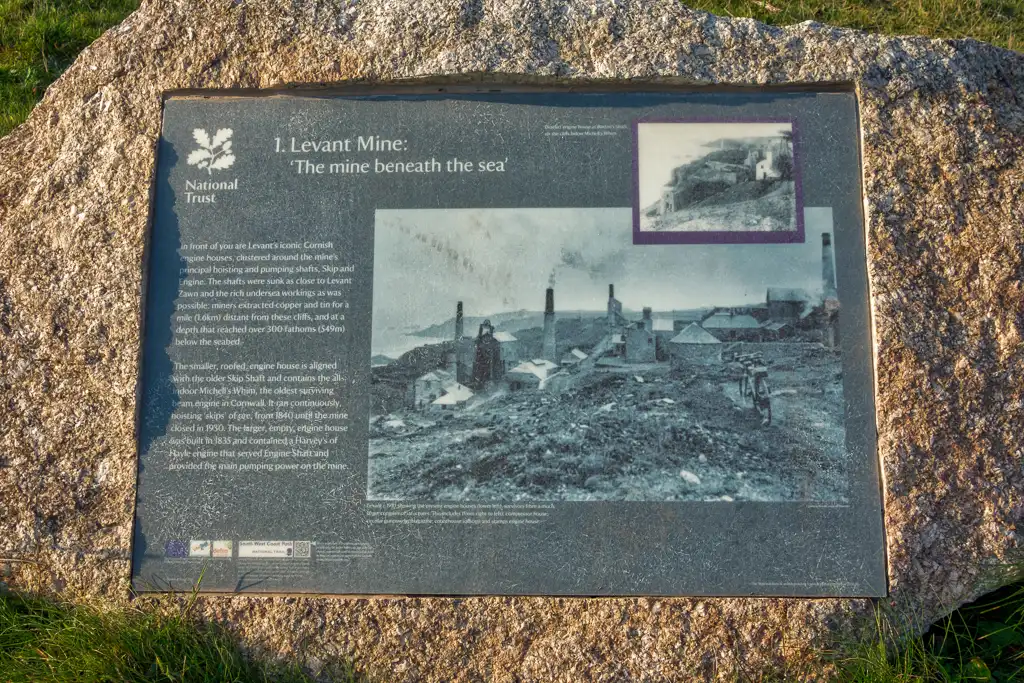
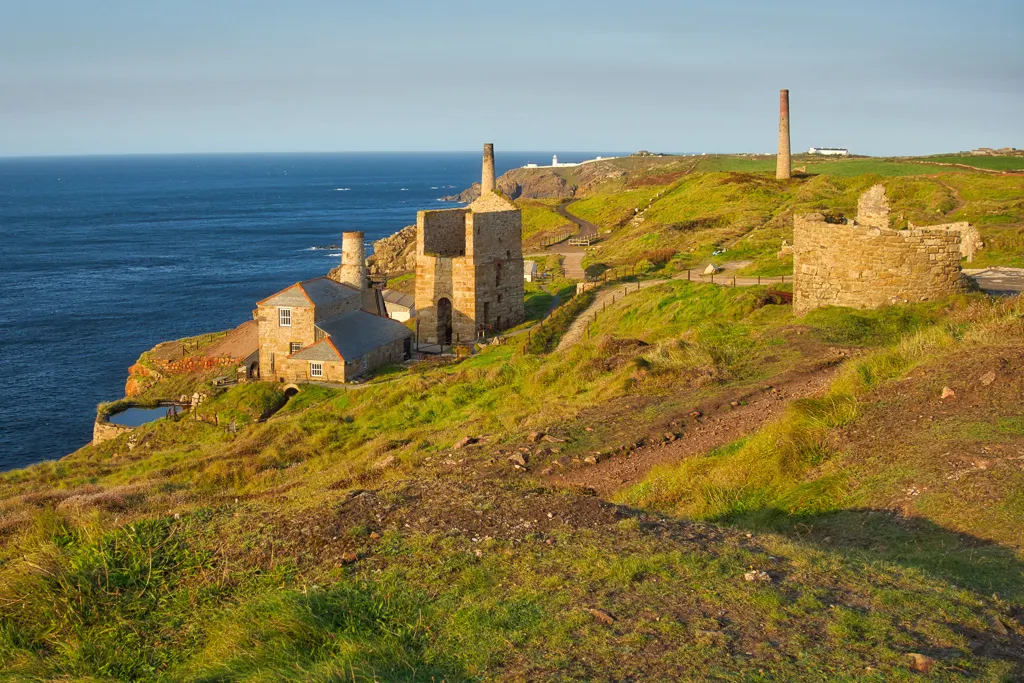
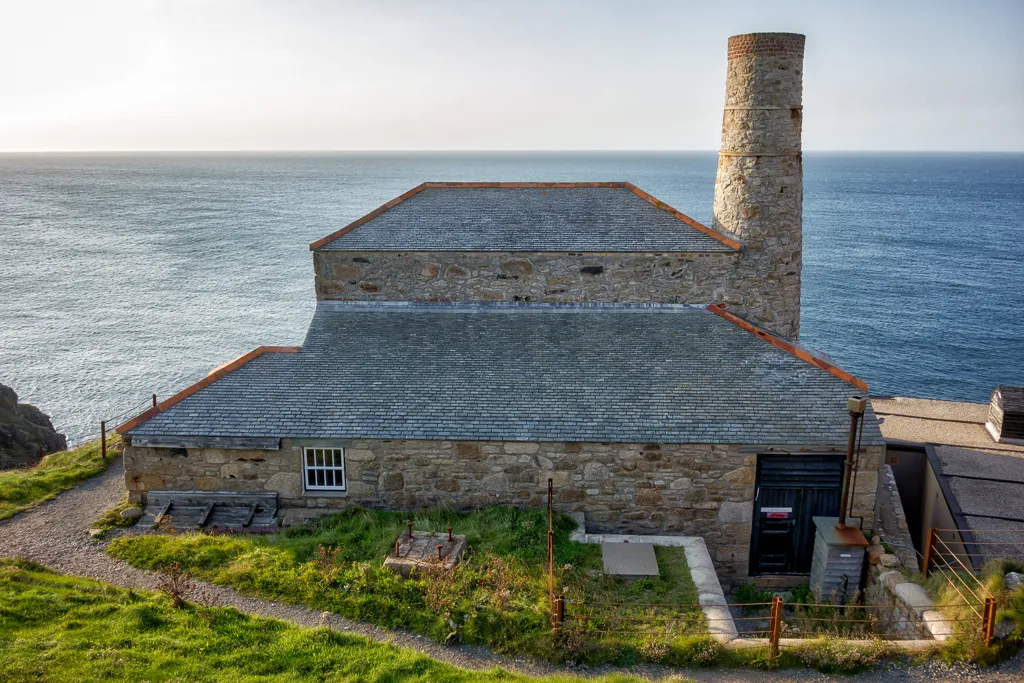
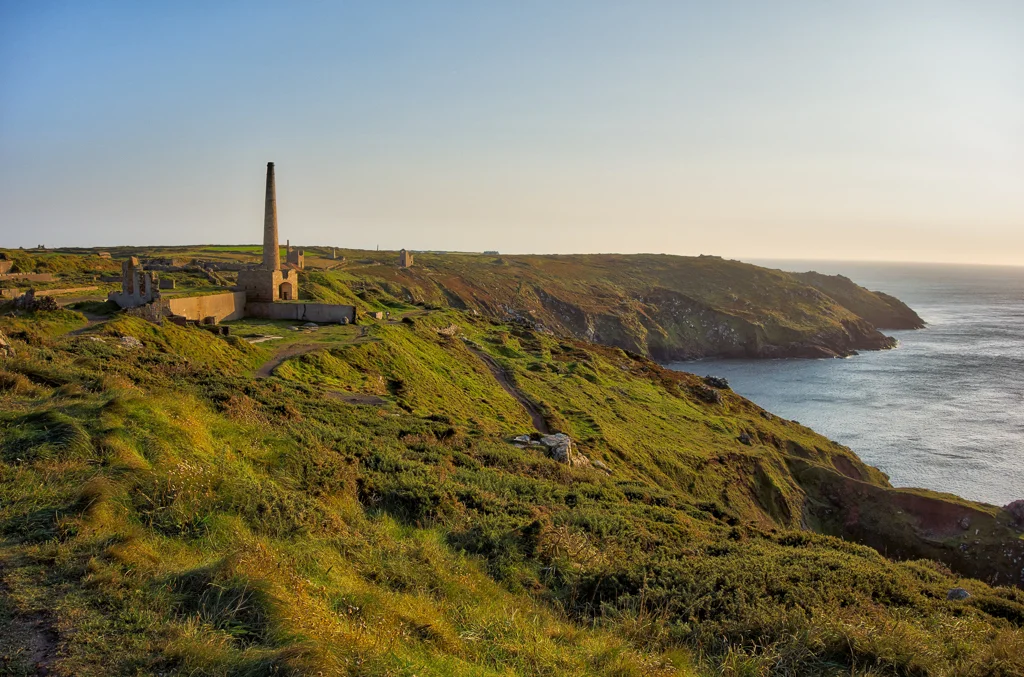
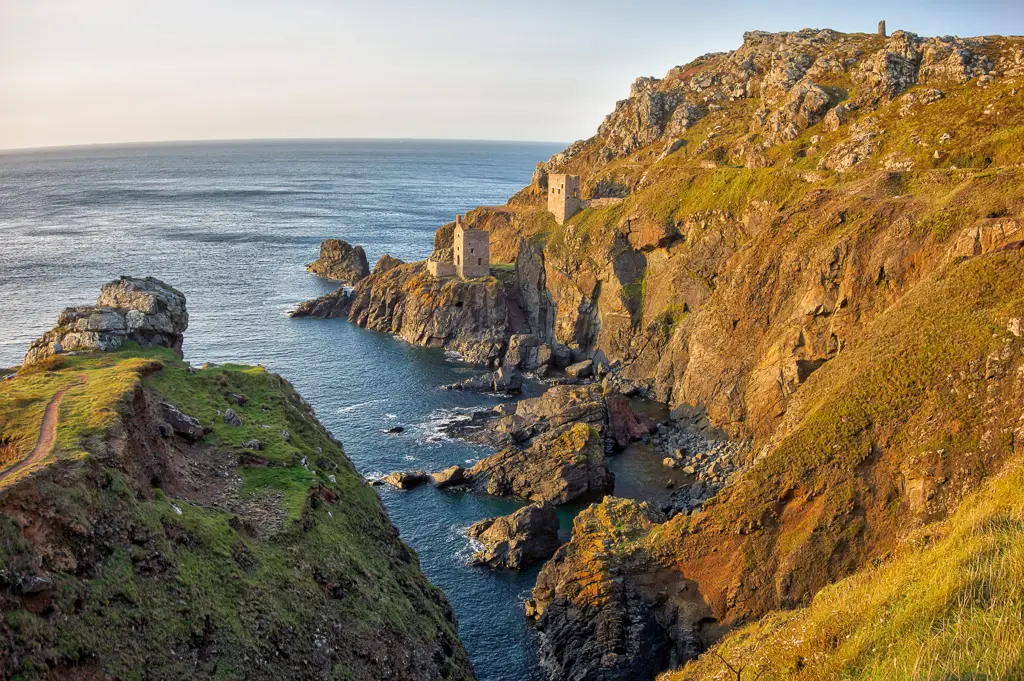
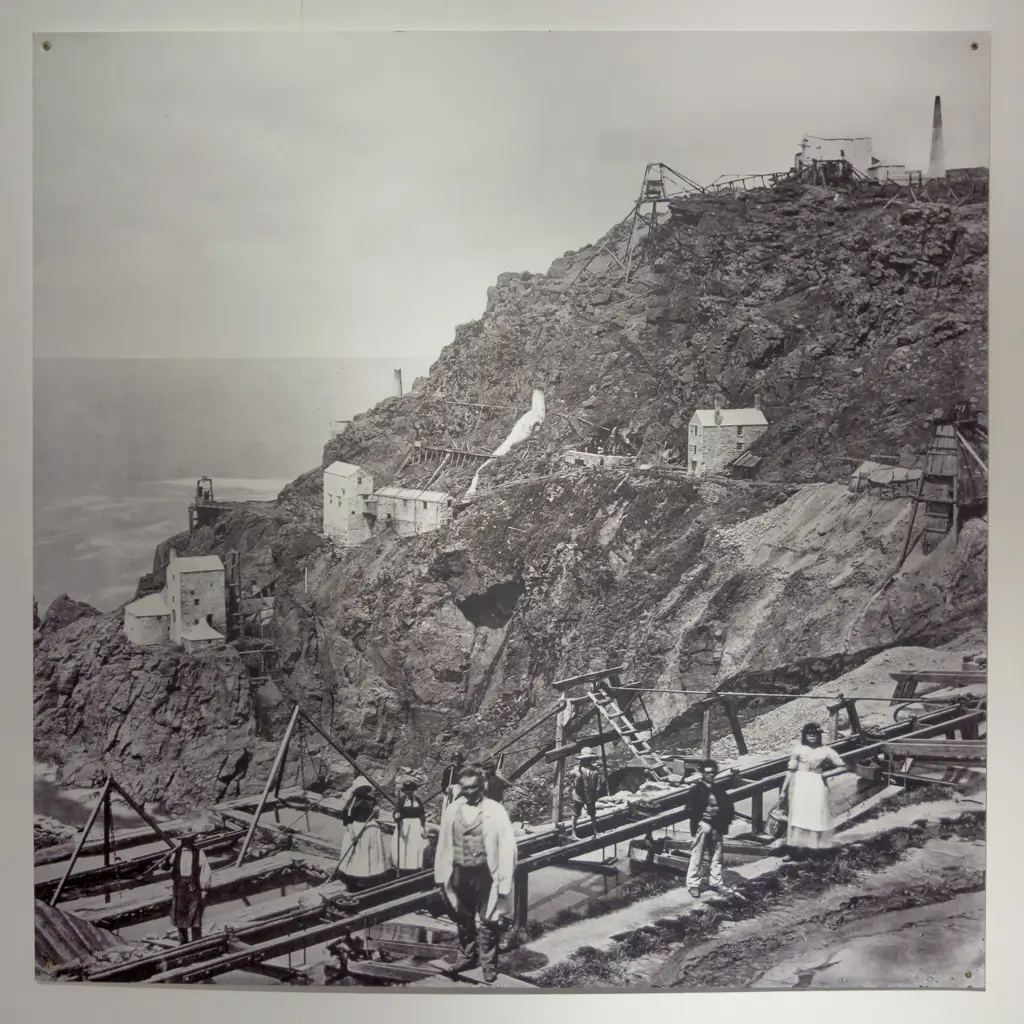
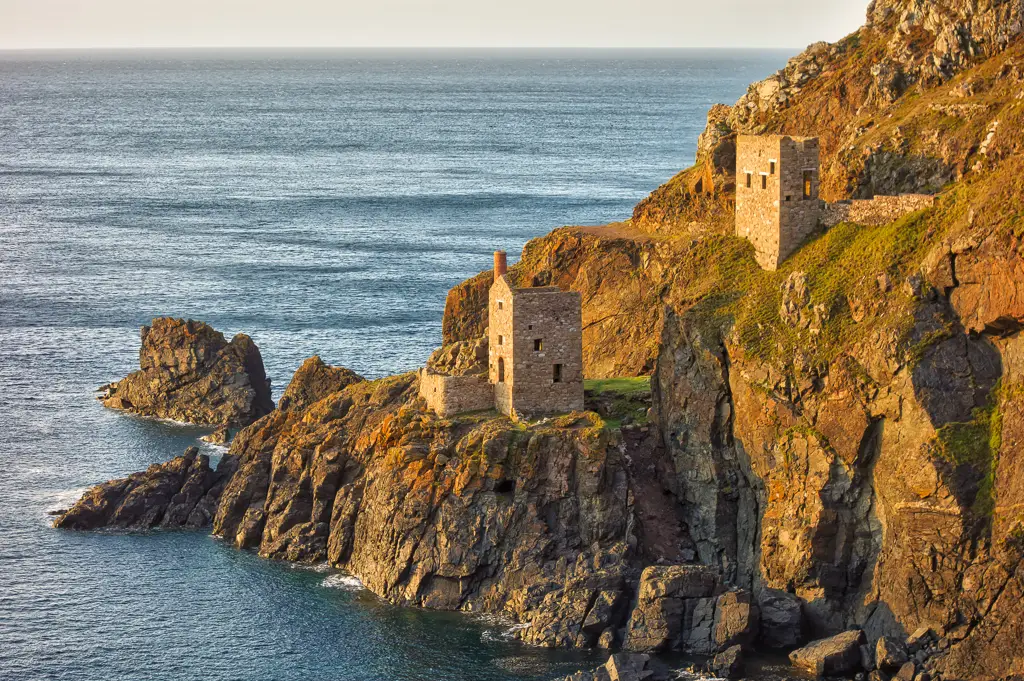
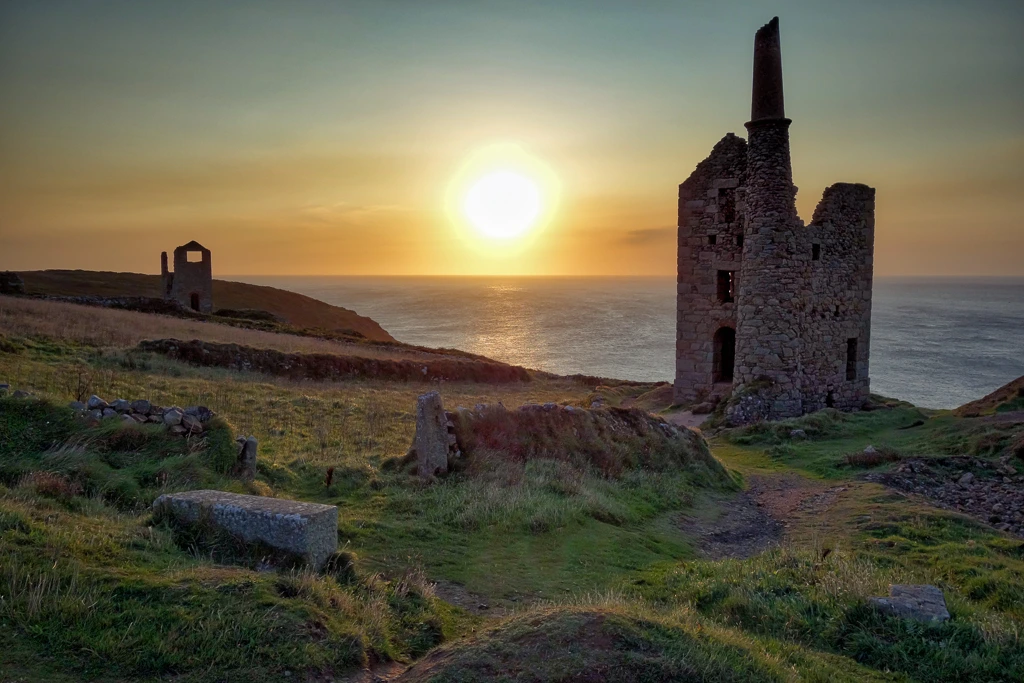
I just got time to take a walk through an actual part of the mine tunnel before the place closed - it was as you would imagine, cold, dark and, crampedThe Victory Shaft (a sub-incline extension that linked the nearby lower submarine levels of Levant mine with Geevor) was completed in 1979 and opened by Her Majesty the Queen on 28th November 1980As a lot of the mine went out under the sea pumps played a vital role in keeping the mining shafts relativity dryTin is an important resource as you can see - whatever device you're using to look at these photos on contains tin!Information plaque: 1 - Breaking The OreInformation plaque: 2 - Removing The Waste Rock From The OreInformation plaque: 3 - Reducing In SizeInformation plaque: 4 - Separating The Valuable MineralsInformation plaque: 5 - Cleaning The ConcentratesDue to the 1980s recession world tin prices plummeted which ultimately was the beginning of the end for Geevor Tin MineTop photo: Sub-incline Shaft extending under the Atlantic Ocean, Bottom photo: Flooding of the Sub-incline Shaft after closure in 1991Leftover cast iron machinery from past days of Geevor Tin MineInformation plaque: Levant Mine: The compressor houseThe compressor house c.1901 which housed a steam-powered air compressor and 20-ton flywheel to power the rock drills miners used back thenInformation plaque: Levant Mine: 'The mine beneath the sea'Levant Mine and Beam Engine c.1820 got the nickname "mine under the sea", because tunnels were driven up to 2.5 km from the cliffs under the seaThe building that houses the surviving Levant Mine Beam Engine built in c.1840Walking along the South West Coast Path leads to Botallack MineThe breathtaking Botallack Mine! this site has been on my 'great views wishlist' ever since I first saw a photo of it in my early plans to travel to Cornwall. You can actually go further down along that path you see in the bottom right of the photo but it's pretty dangerous and certainly not a good idea on a windy day!I saw this photo in the Geevor Tin Mine museum section, mining in this location goes back as far as the 1500s and the first steam-engine was put to work here in 1810The powers of the zoom. I still find myself mesmerised by this photo - what a beautiful site indeedClosing time on Botallack and a great sunset to say goodbye!