Day Two – Part Two: PK Porthcurno Museum of Global Communications | West Cornwall Fully Loaded Cycle Tour 2020
This was my second cycle touring trip of 2020 after my ‘warm-up’ trip to Telford the month before (I say warm-up because it was my first trip out of town whilst we were dealing with the Covid crisis and was a good insight into seeing how cycle/camping worked under these conditions). I had planned to cycle around the South West Peninsula of Cornwall from Penzance to St Ives and along the coastline camping as I go.
Along the way I visited some of Cornwall’s most fascinating historic spots including the Porthcurno Museum of Global Communications formally the Porthcurno Telegraph Station, or PK, where the first international telegraph cable was brought ashore and was the World’s most important station during the late Victorian era and also Geevor Tin Mine, formerly North Levant Mine, which was operational between 1911 and 1990 and is now museum and heritage centre left as a living history of a working tin mine.
There was so much to say about this trip but as usual I’m going to let the photos tell the story and also the captions for each one and I can throughly recommend cycling/hiking around this area as there is so much history left in place to see!
Enjoy! 😀
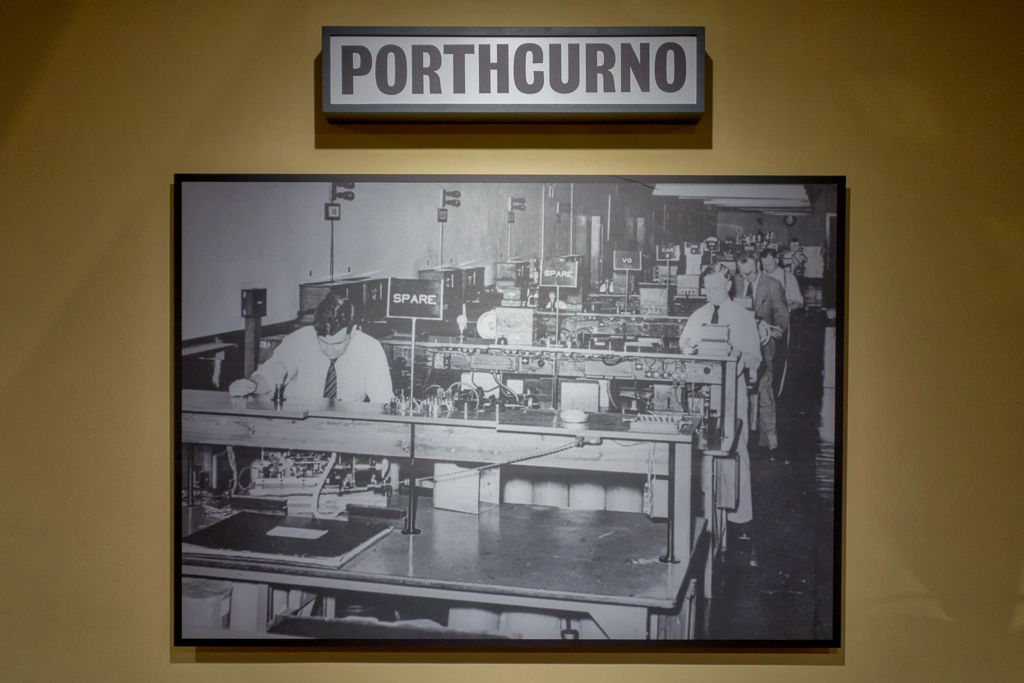
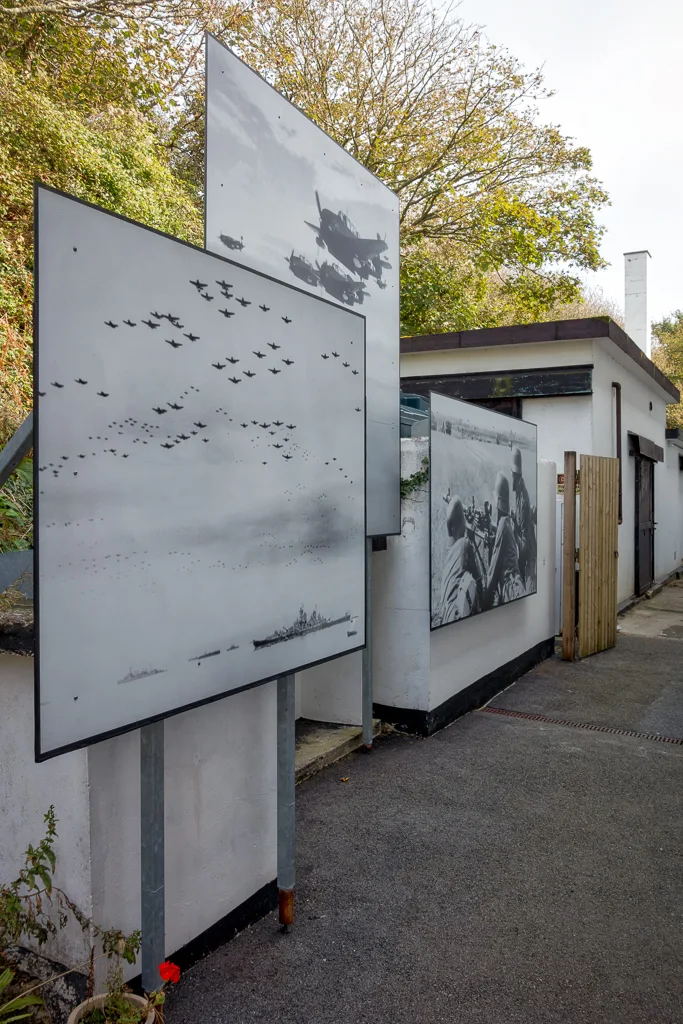
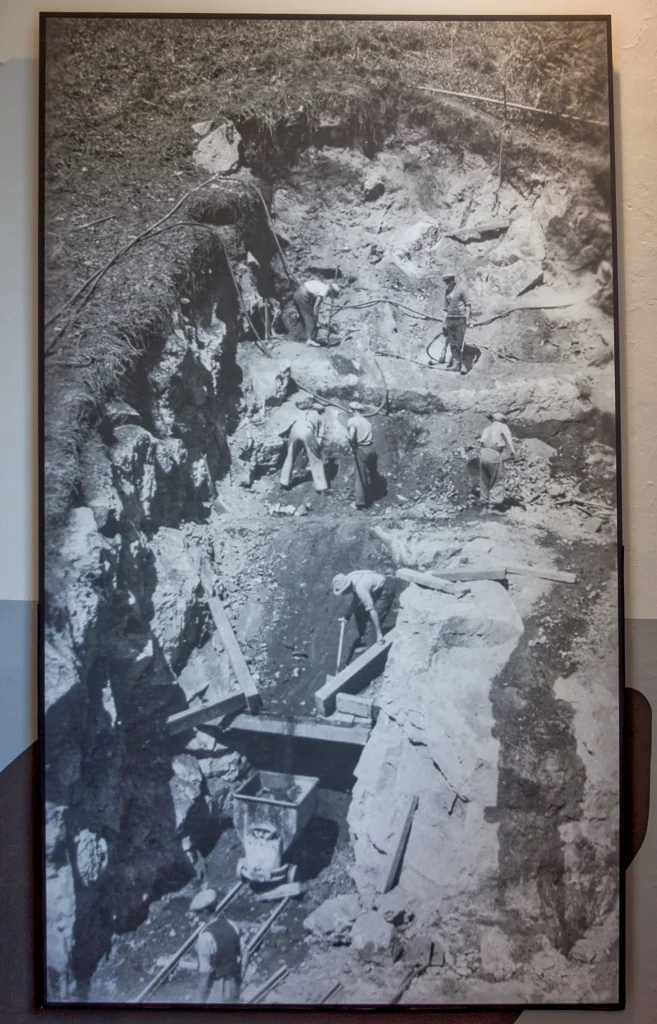
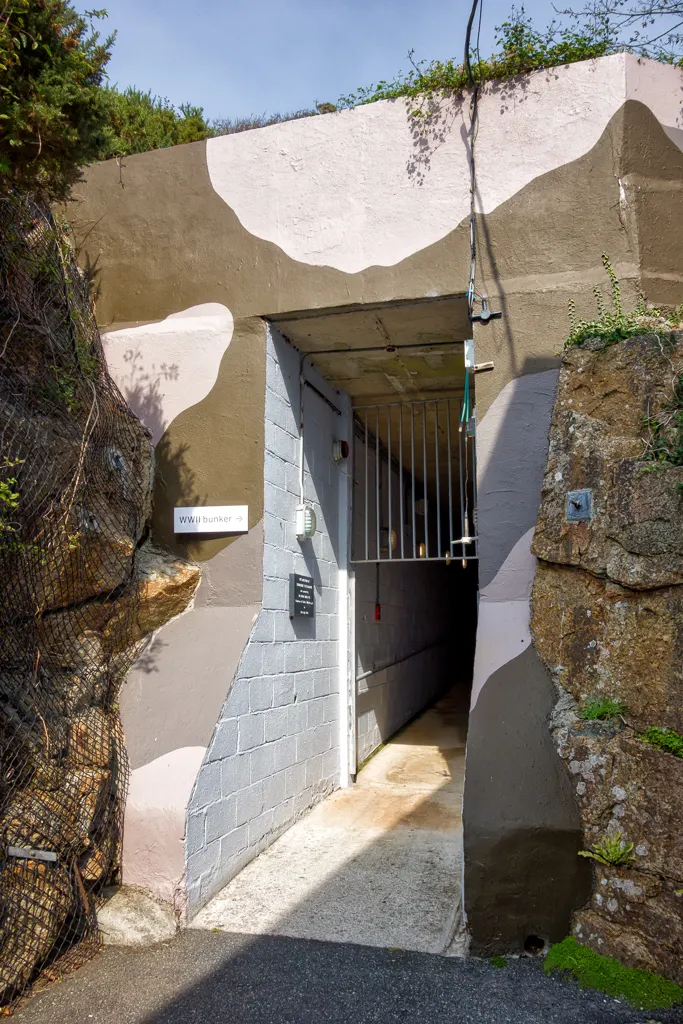
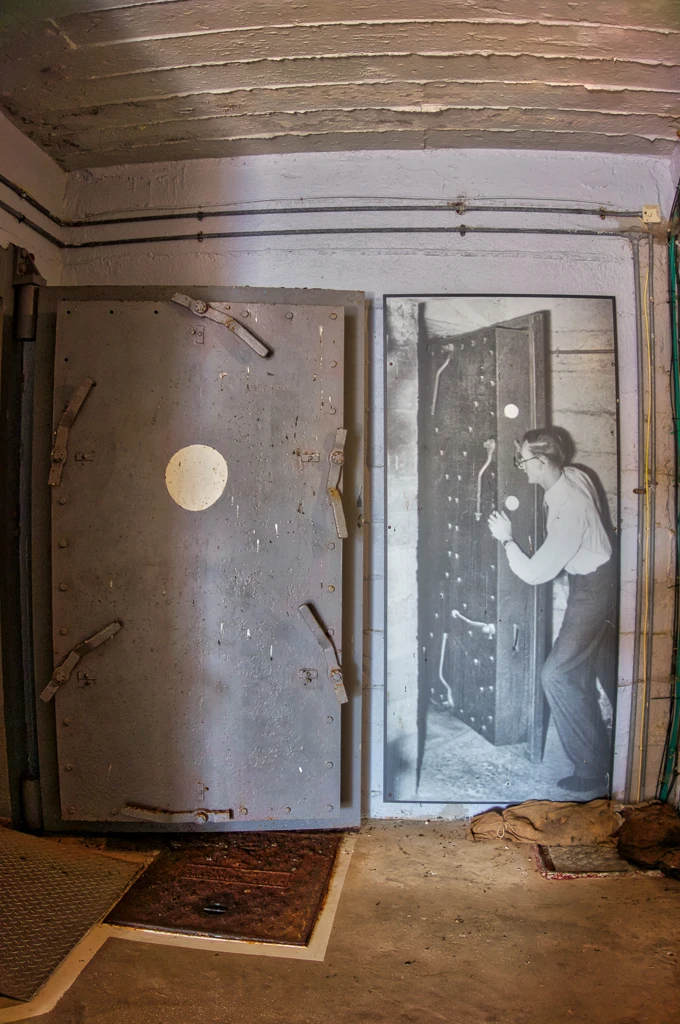
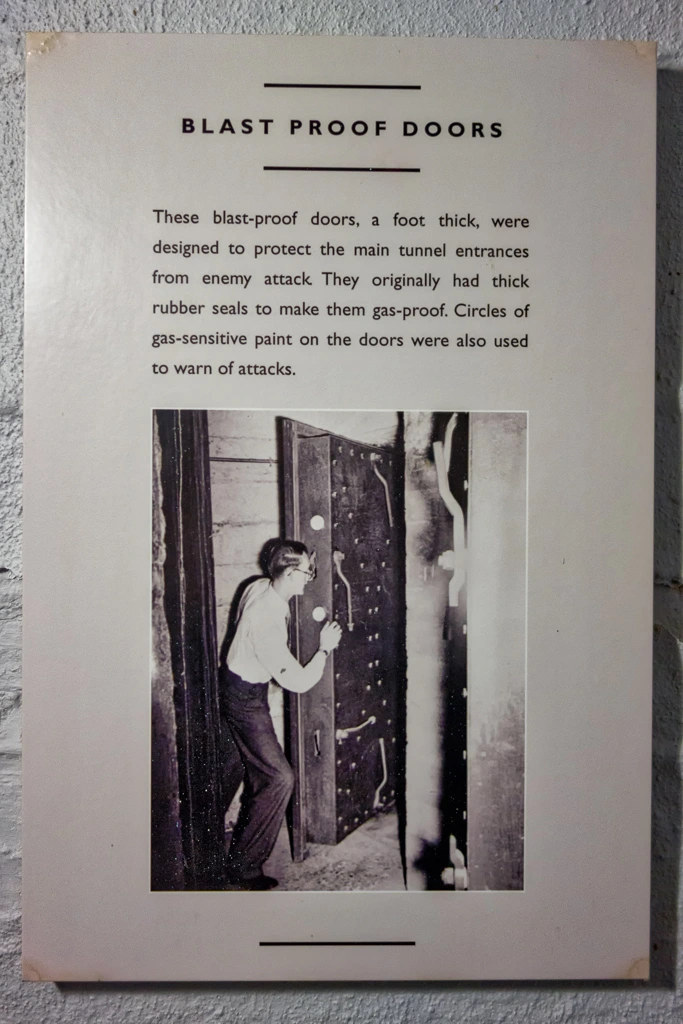
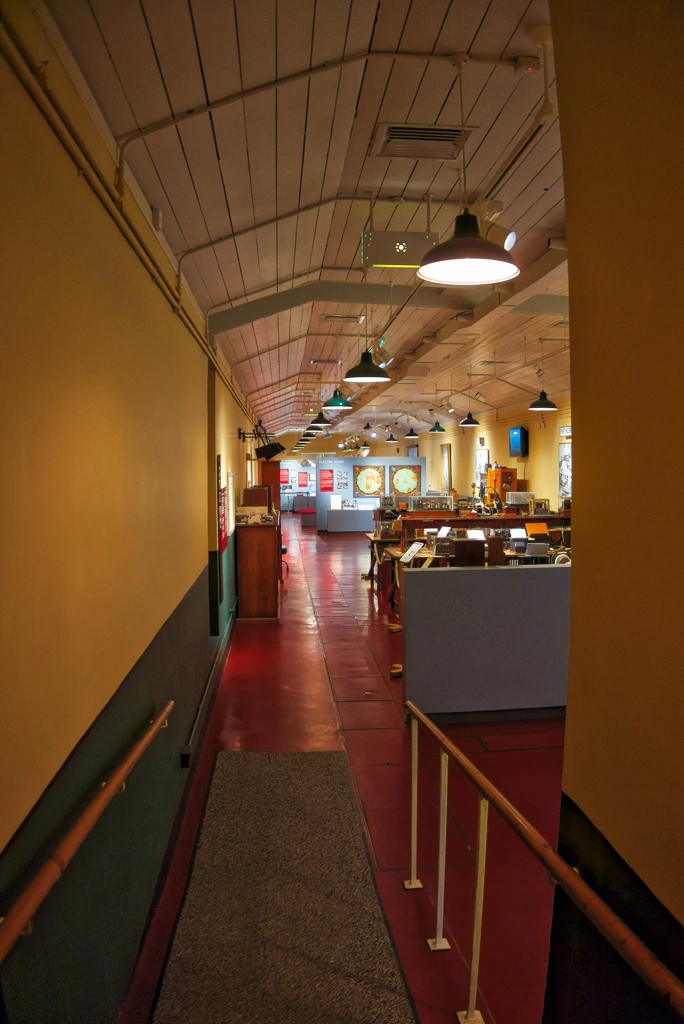
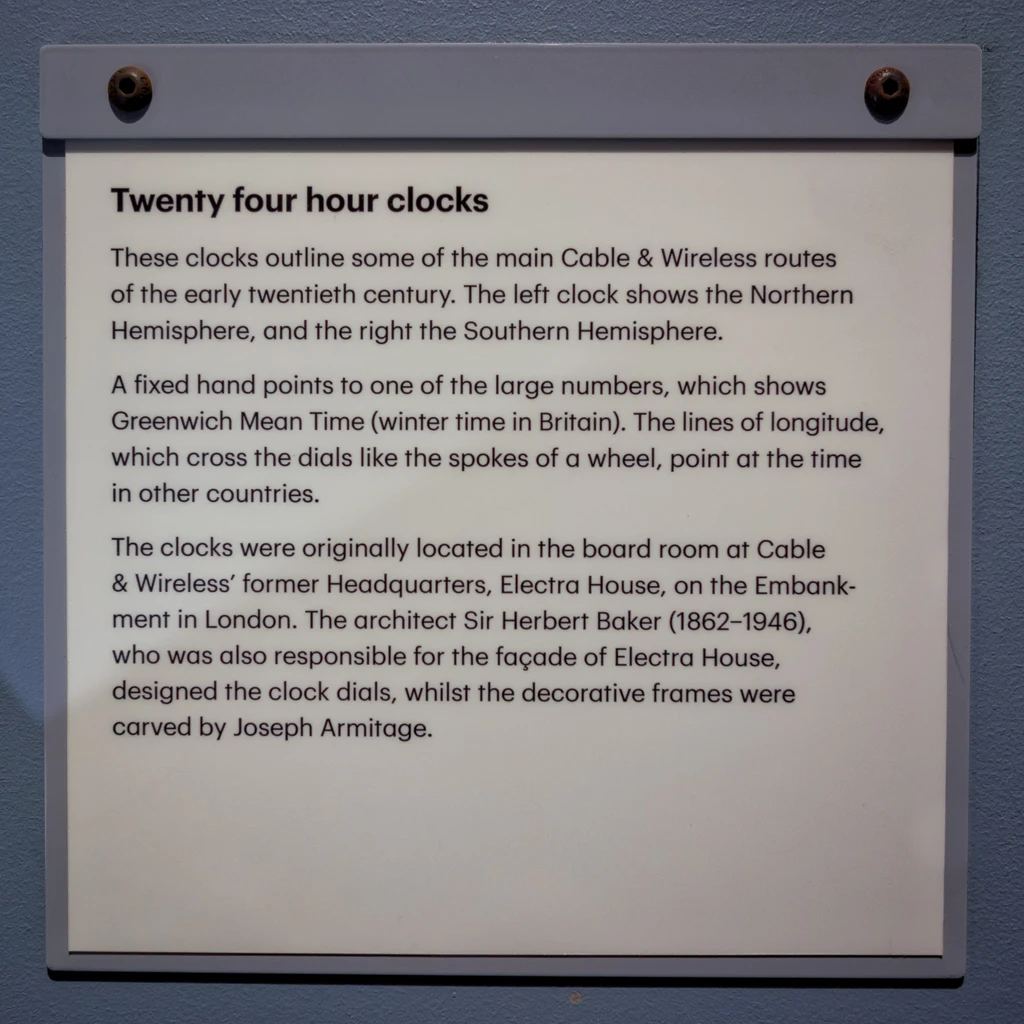
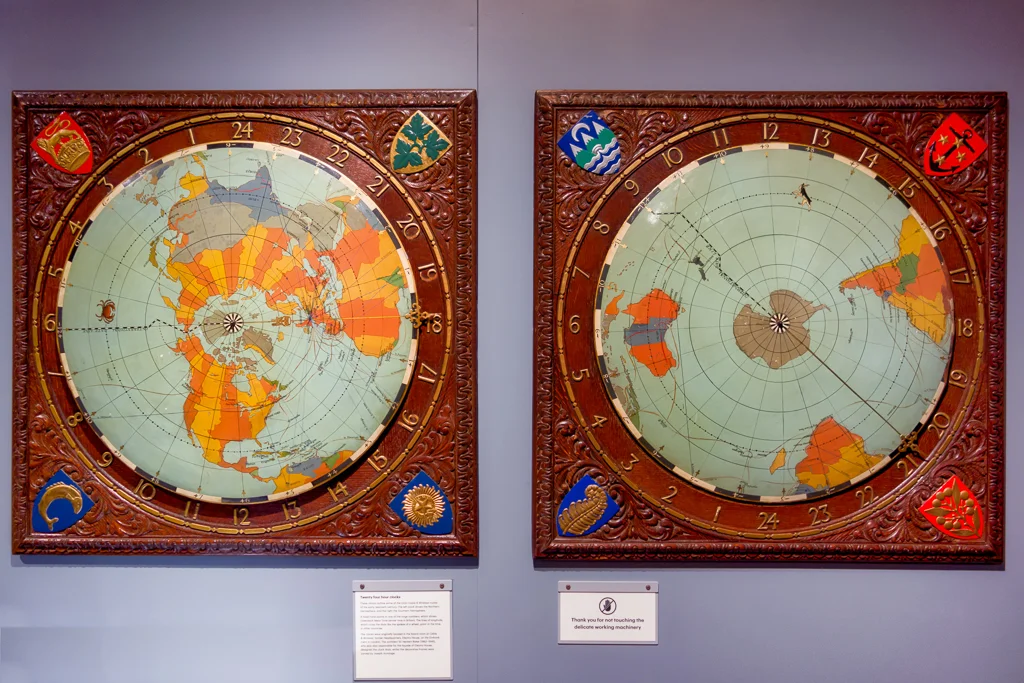
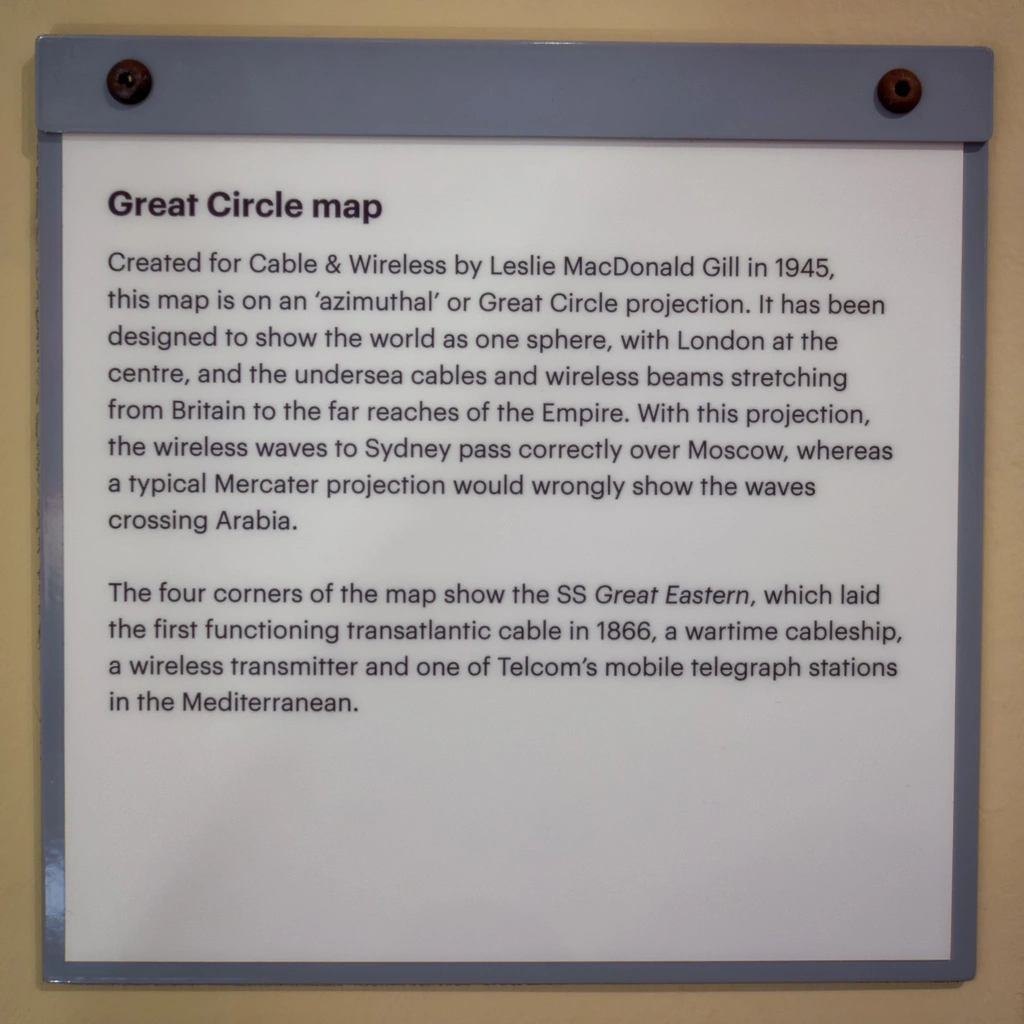
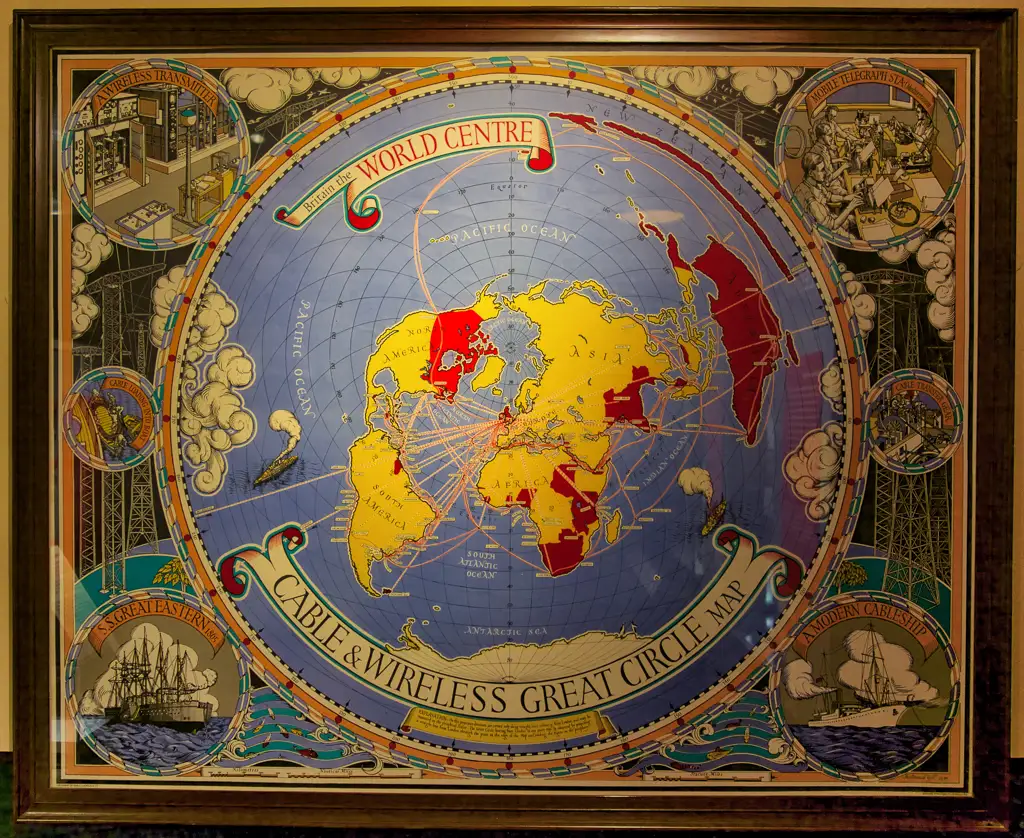
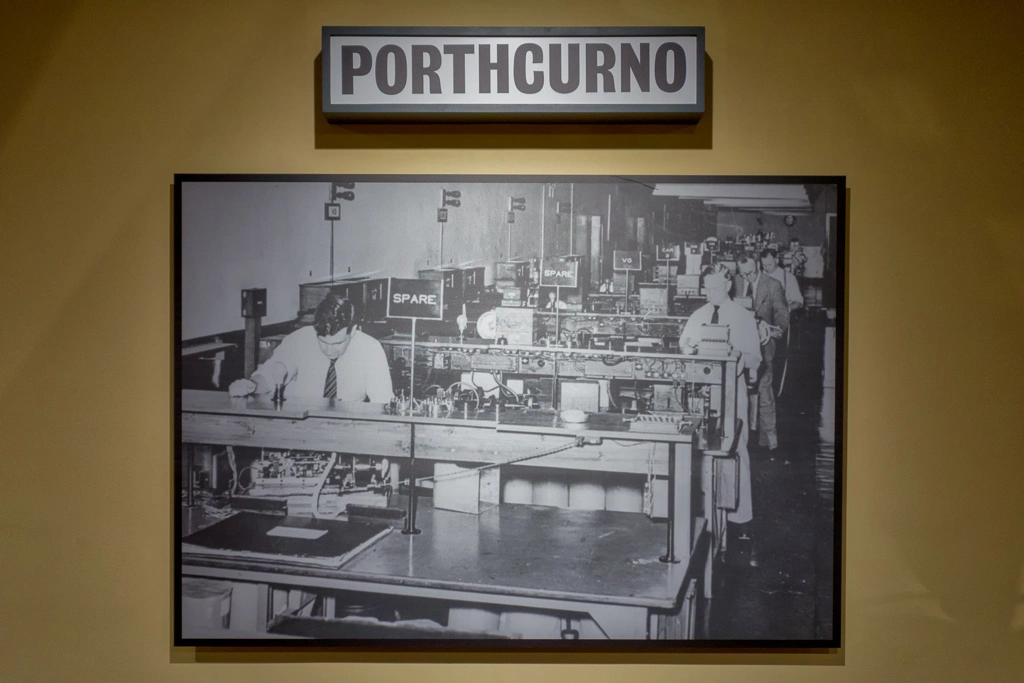
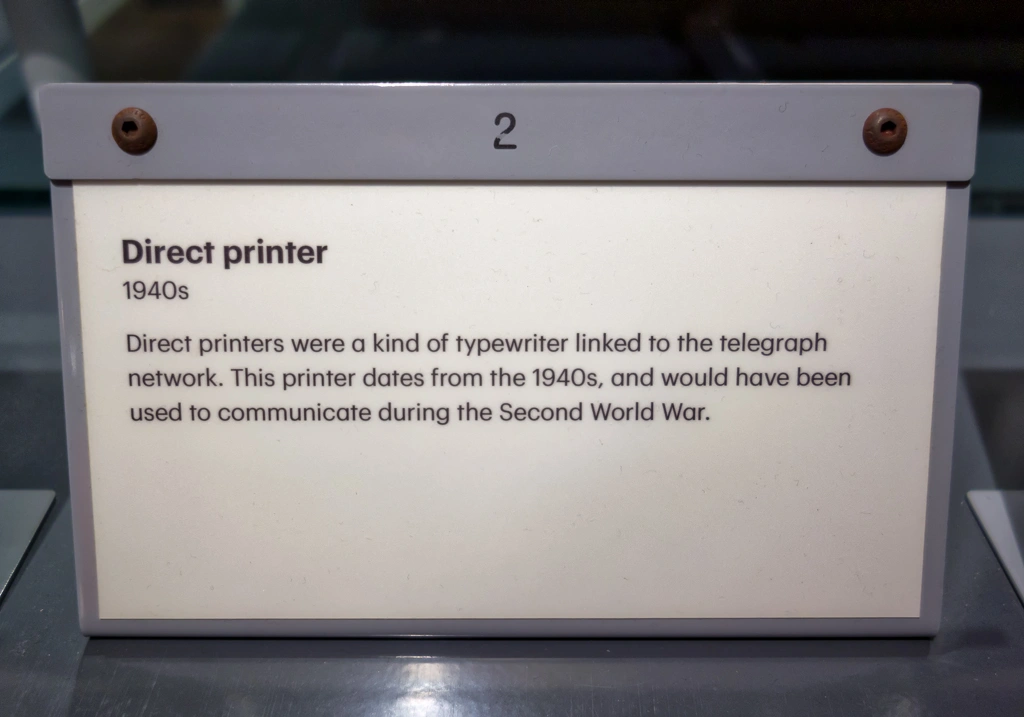
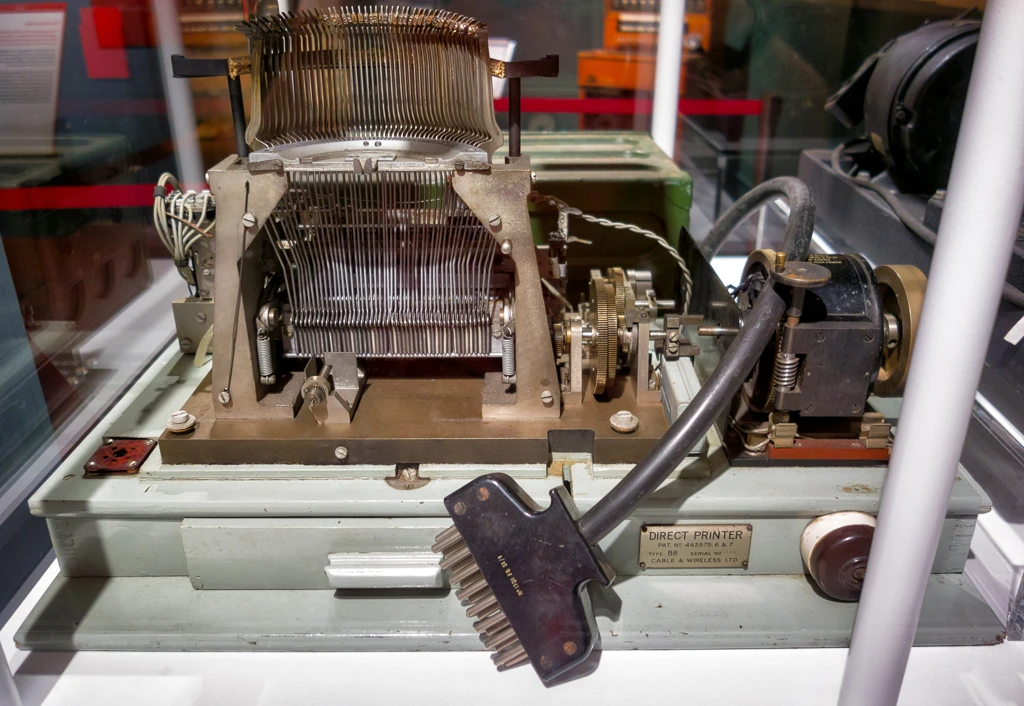
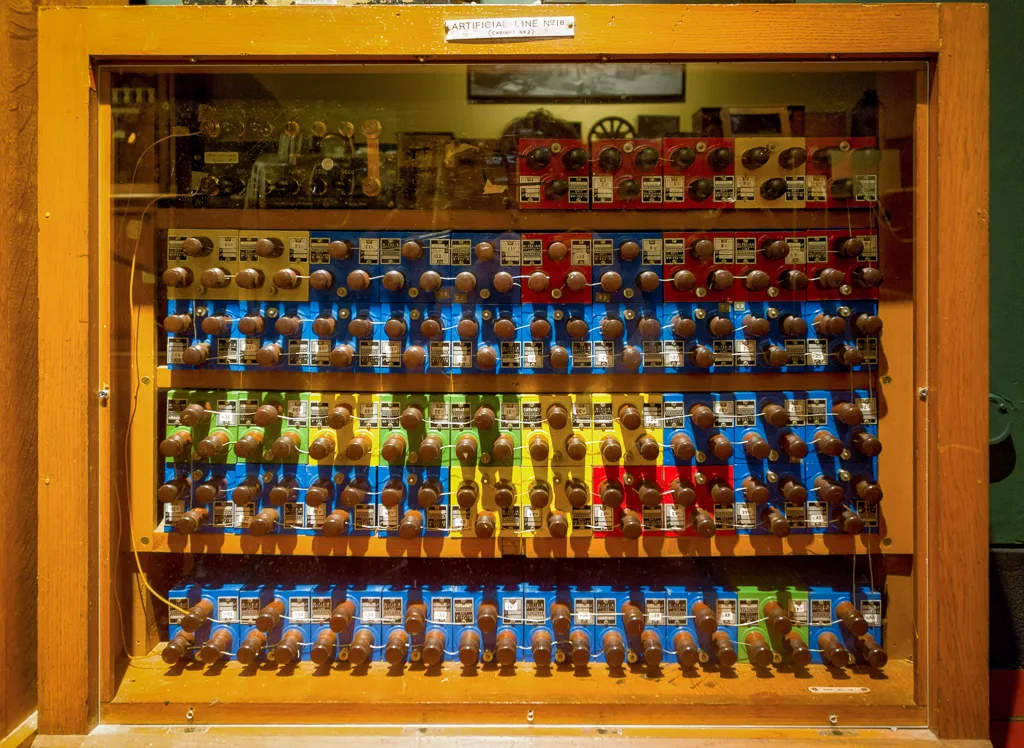
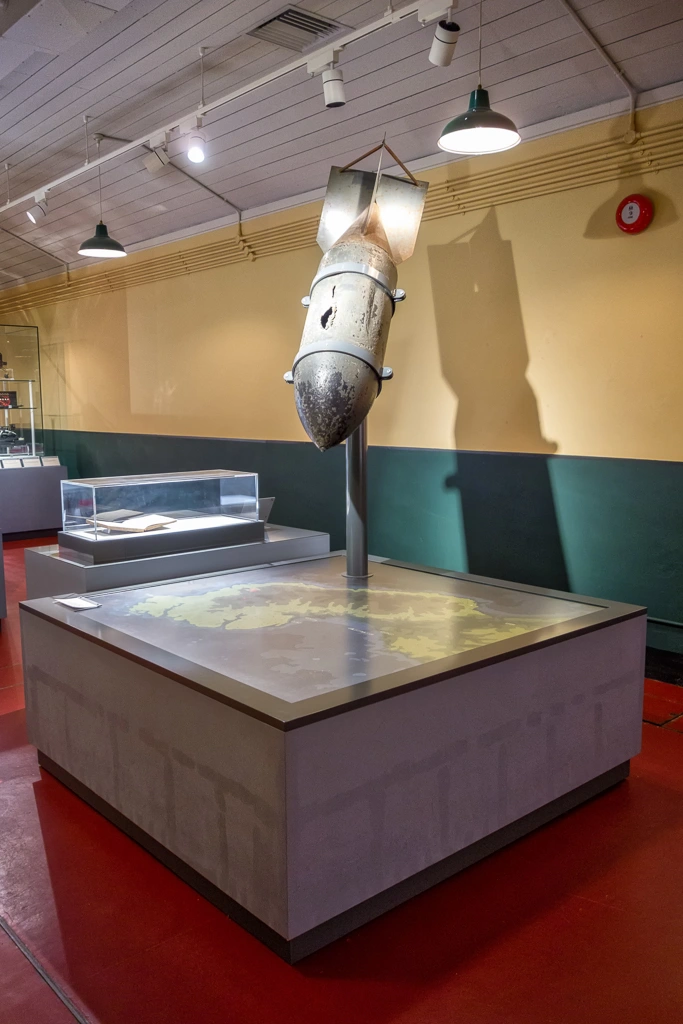
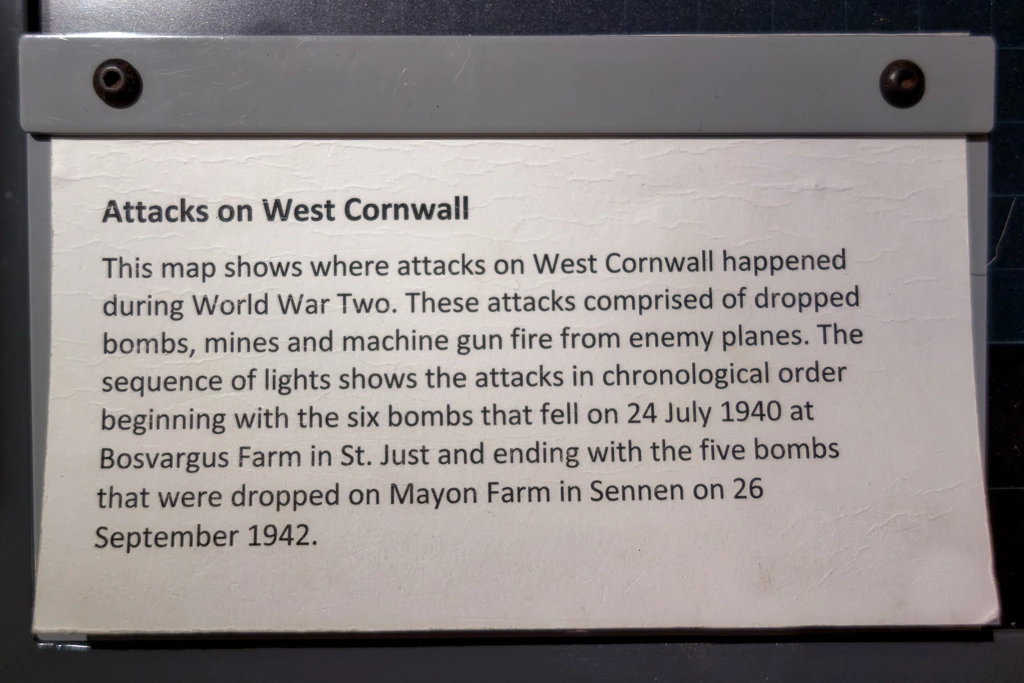
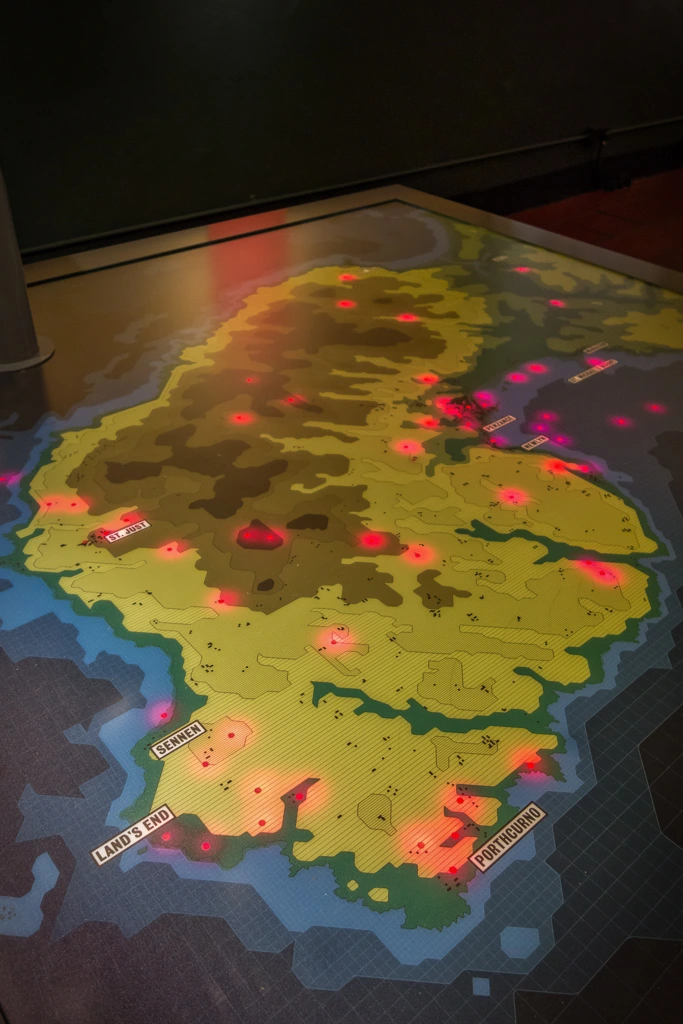
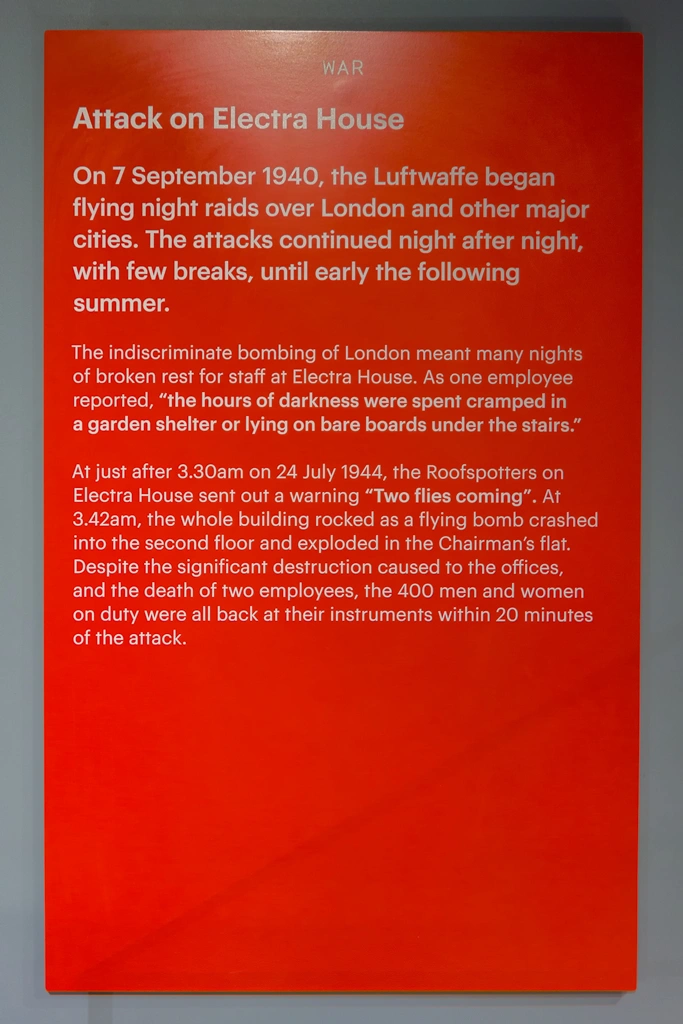
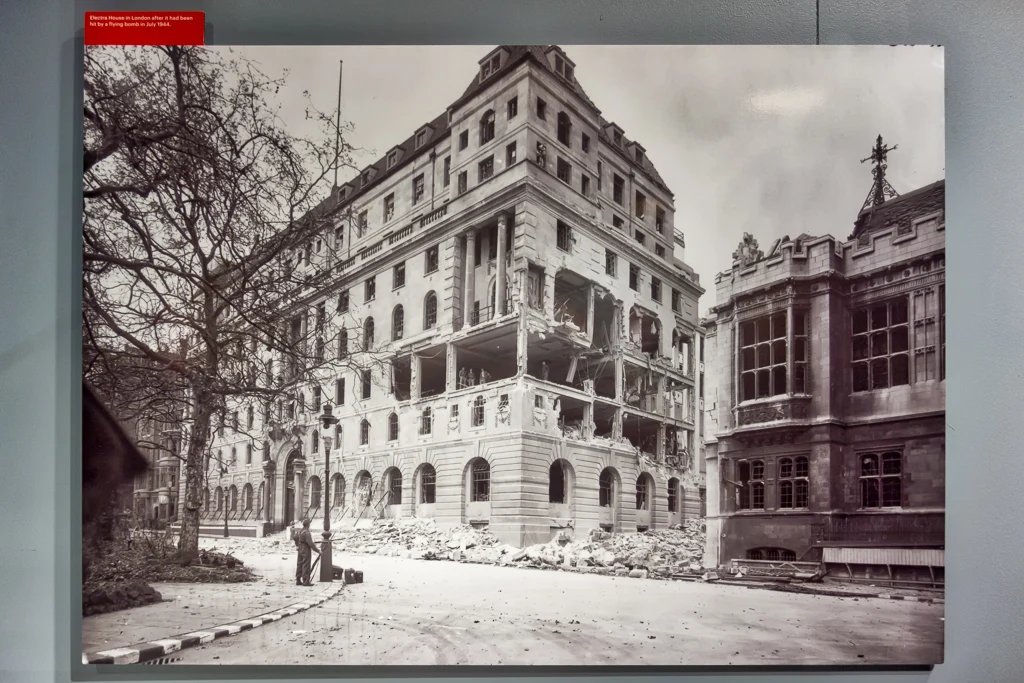
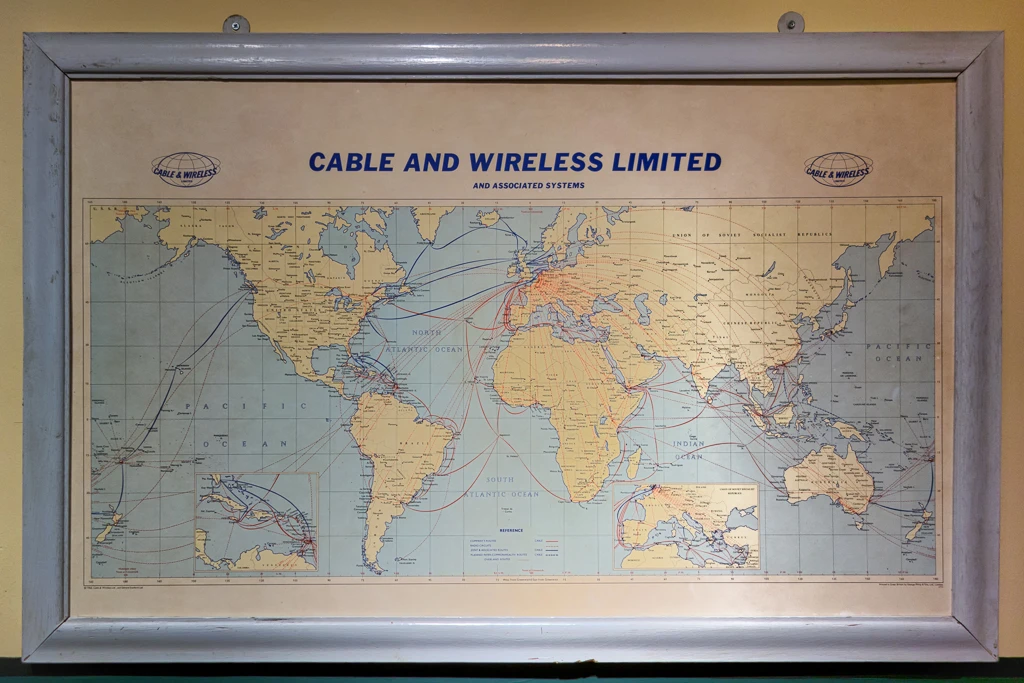
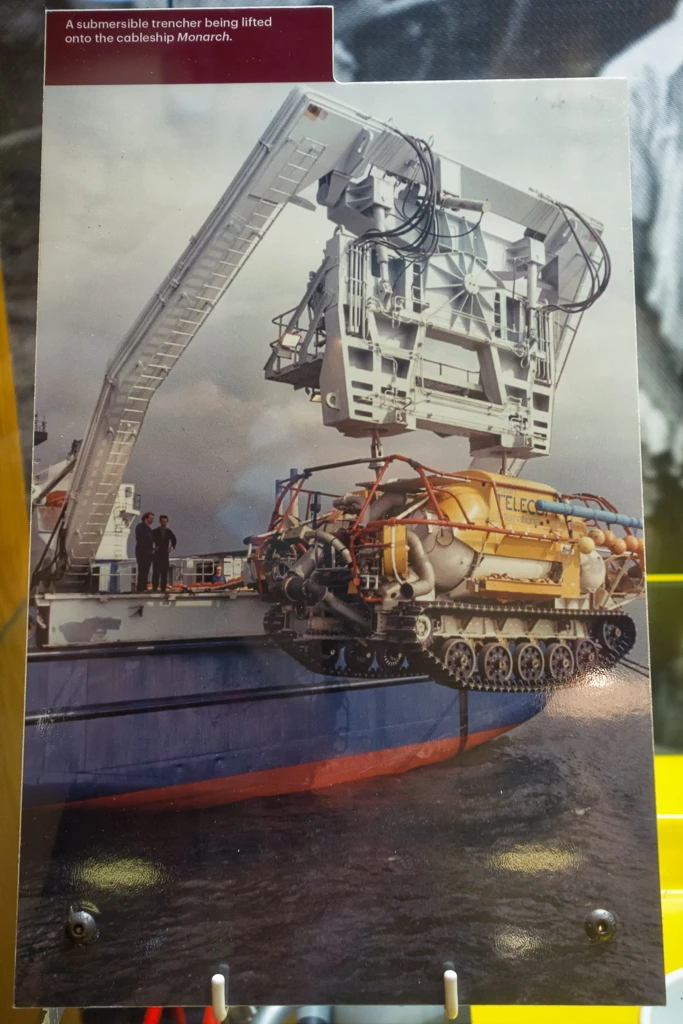
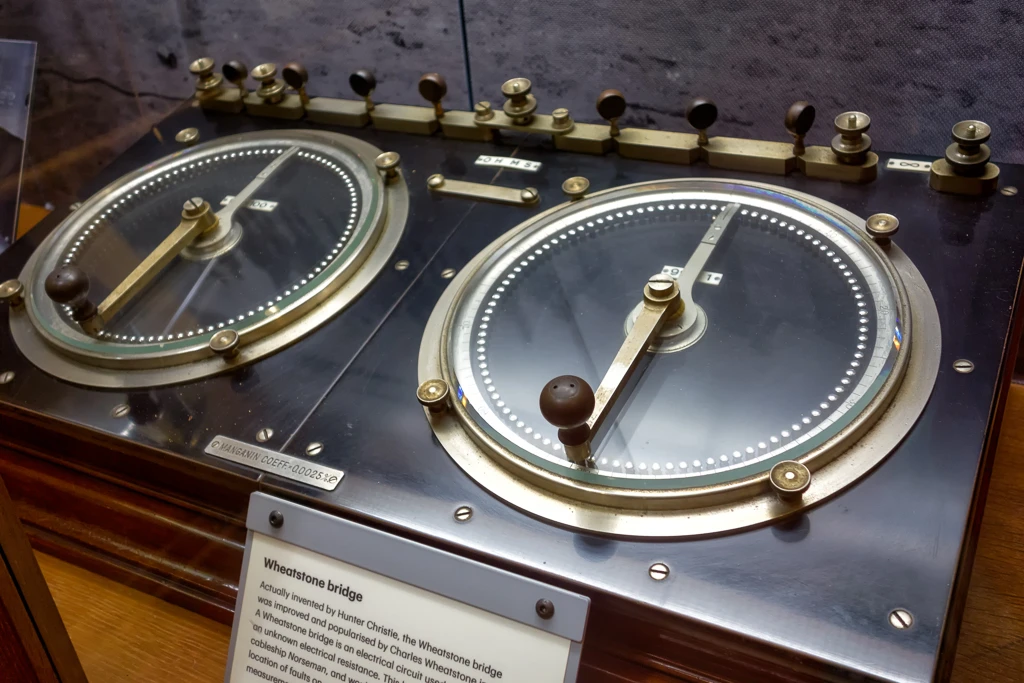
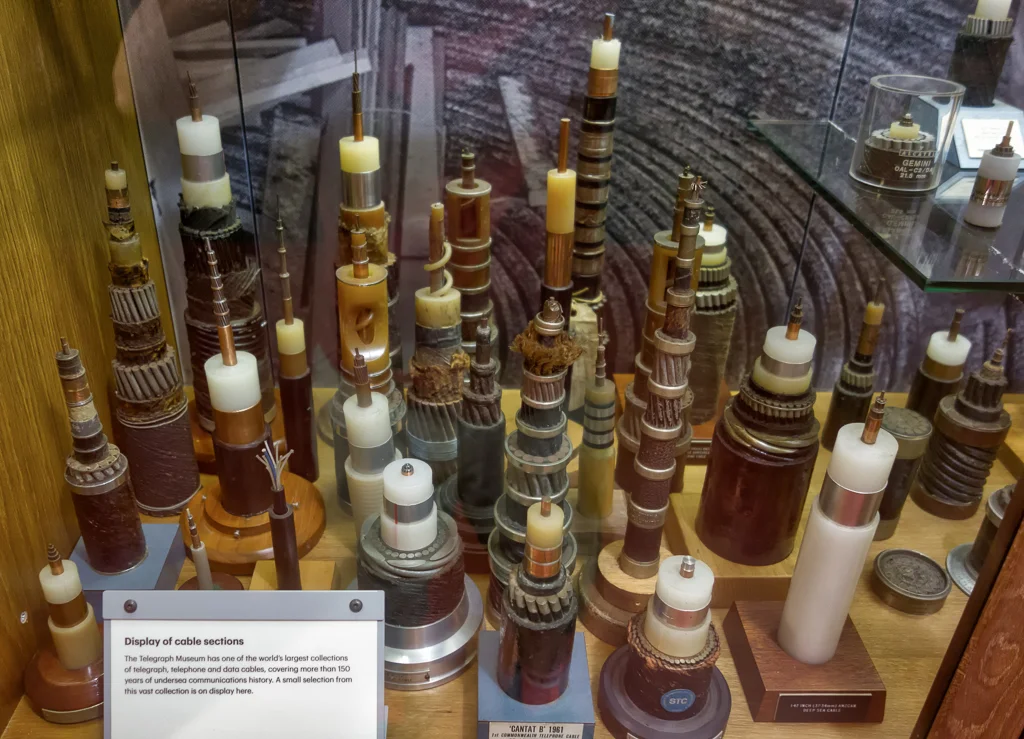
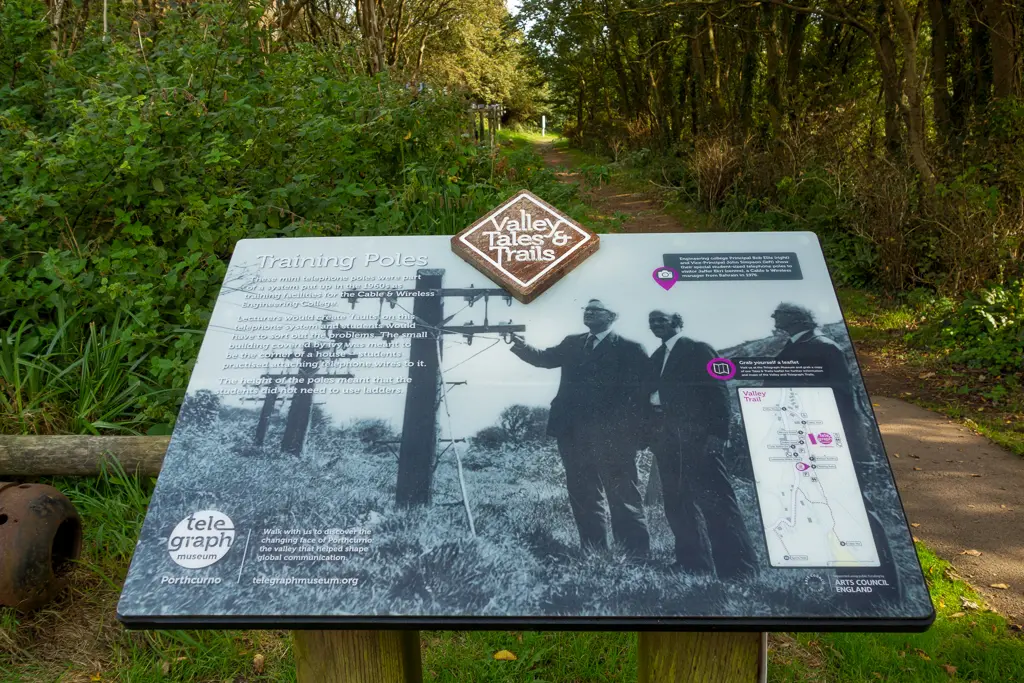
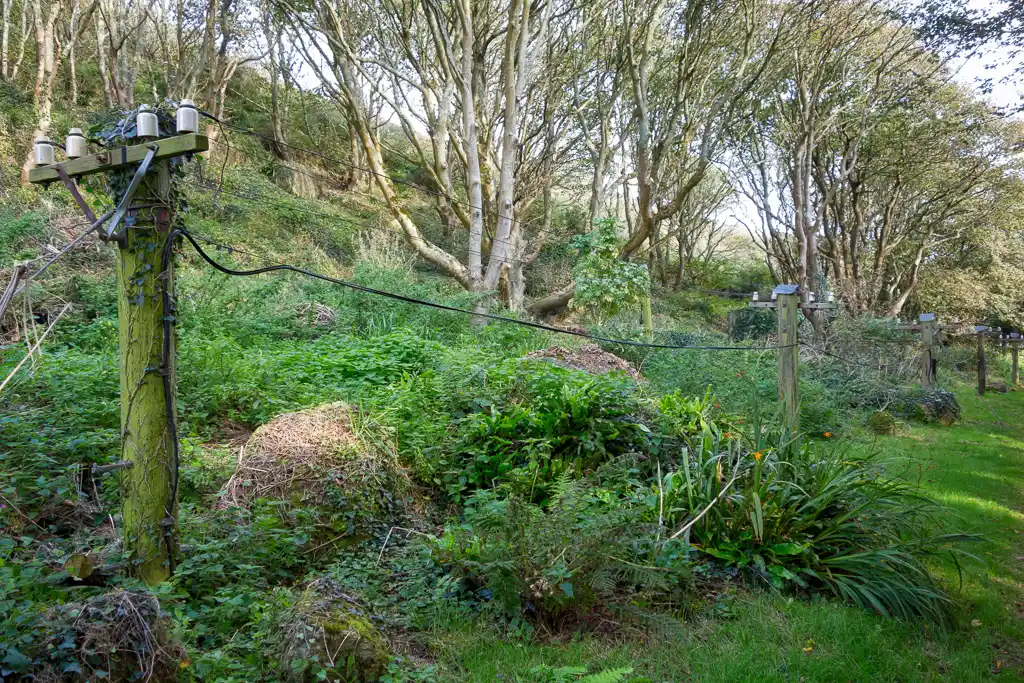
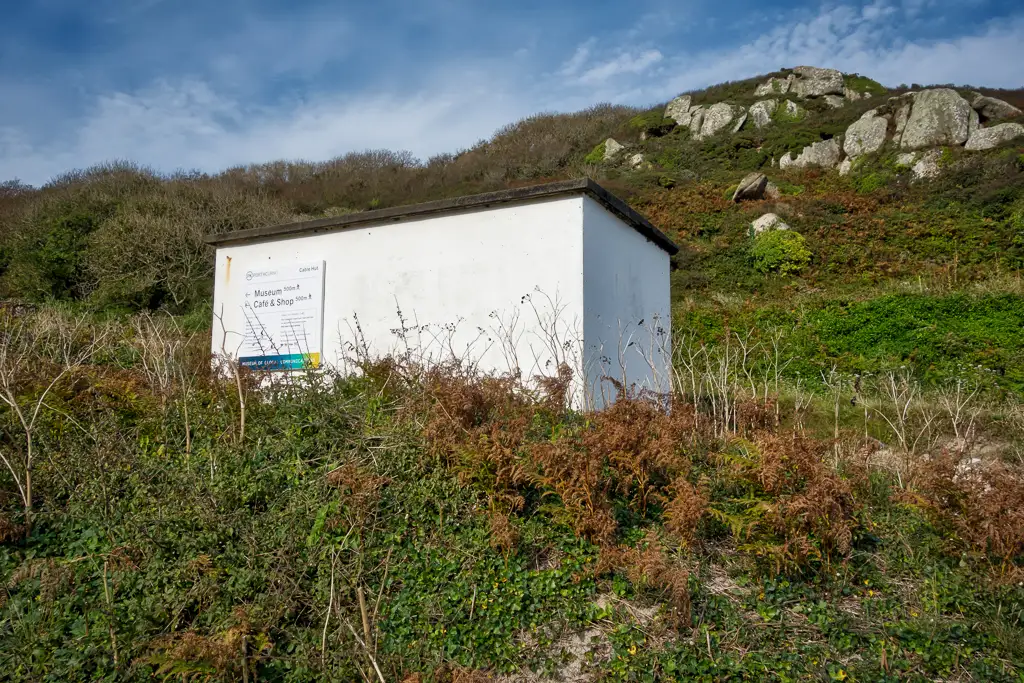
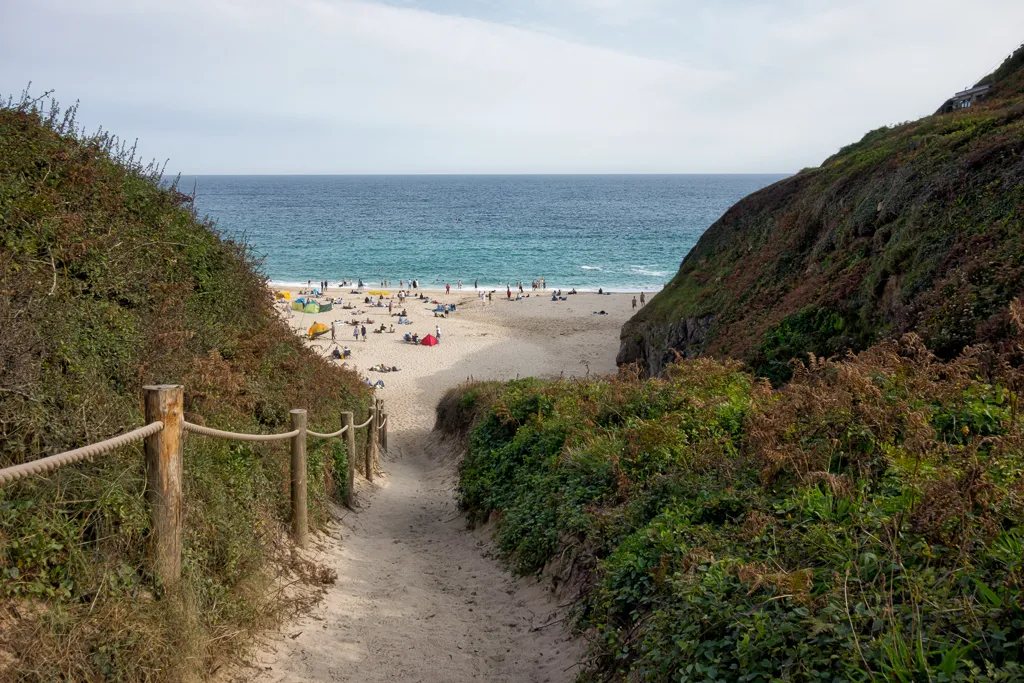
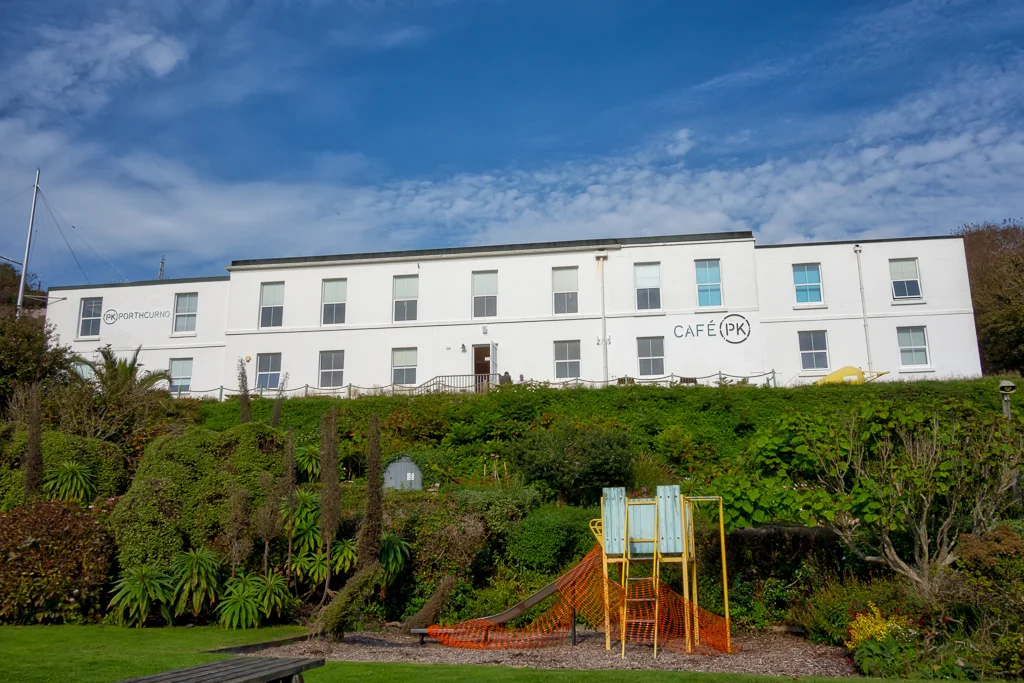
With the outbreak of World War II the facilities of PK Porthcurno were under threat and in 1941 miners were employed to build tunnels into the valley hillside to house the telegraphy equipmentMiners digging the PK Porthcurno tunnels in 1941Entrance to the tunnels dug out of solid granite in the hillside next to the main buildingThe main entrance and blast door into the tunnels, there is another blast door on the way outMuseum information plaque: Blast Proof DoorsEntering the wireless room in World War Two tunnels in PorthcurnoMuseum information plaque: Twenty four hour clocksThese twenty four hour clocks are a prized possession of the museum and have a complex winding system behind them that still keeps them rotating todayMuseum information plaque: Great Circle MapThe Great Circle map created by Leslie MacDonald Gill in 1945Life inside the wireless roomMuseum information plaque: Direct Printer 1940sThe adaptor on this direct printer reminded me of the old matrix printers you used to plug into 90's computer systems, difference was that this adaptor was huge in comparison!A very helpful guide and long time resident of PK Porthcurno explained what all these fuses and how they are linked to the undersea cables, I must it was alittle confusing for to grasp but fascinating none the less!This is one of the actual bombs dropped on Cornwall during World War Two, it fell nearby on Roskestal Farm in 1941Museum information plaque: Attacks on West CornwallThe red spots on this map show where World War Two bombs fell on CornwallMuseum information plaque: Attack on Electra HousePhoto taken after the bomb blast on Electra House, London in 1940Cable & Wireless Limited World mapA submersible trencher being lifted onto the cable ship MonarchThe Wheatstone bridge used to measure an unknown electrical resistance (it's not a pair of futuristic record turntables...)Display of cable sectionsMuseum information plaque: Training PolesMini training poles erected in the 1960s as part of the training facilities for the Cable & Wireless College. The height of the pole meant students did not need to use laddersThe Cable Hut c.1929 is where undersea telegraph cables came ashore from all corners of the worldThe sandy beach at Porthcurno where the cables meet the seaEastern House c.1904 was the main building for the PK Porthcurno telegraph communications until 1970 and later became the training school until 1993, it is now the Museum of Global Communications