Rome, Italy - 2020 Trip Historic Rome: Day Four – The Colosseum, Rome
During the autumn of 2020 I made a short trip for 5 days over to the city of Rome, Italy. At the time, due to the covid pandemic, flights and hotels were pretty cheap as tourism was virtually nonexistent in mainland Europe, Italy was one of the few places you could travel to with precaution and I must add everything went really smooth once I was there! temperature checks were in place at all attractions and masks were worn in public places during the day, everything felt safe and clean.
I had pre-booked tickets to some of the places I wanted to visit and in the end the trip turned out to be a kind of ‘historic Rome’ sightseeing tour! Italy on a whole is a fascinating place and Rome is like the centre hub of it all! this was not my first visit to Rome and as usual I can thoroughly recommend it – enjoy the photos! 🙂
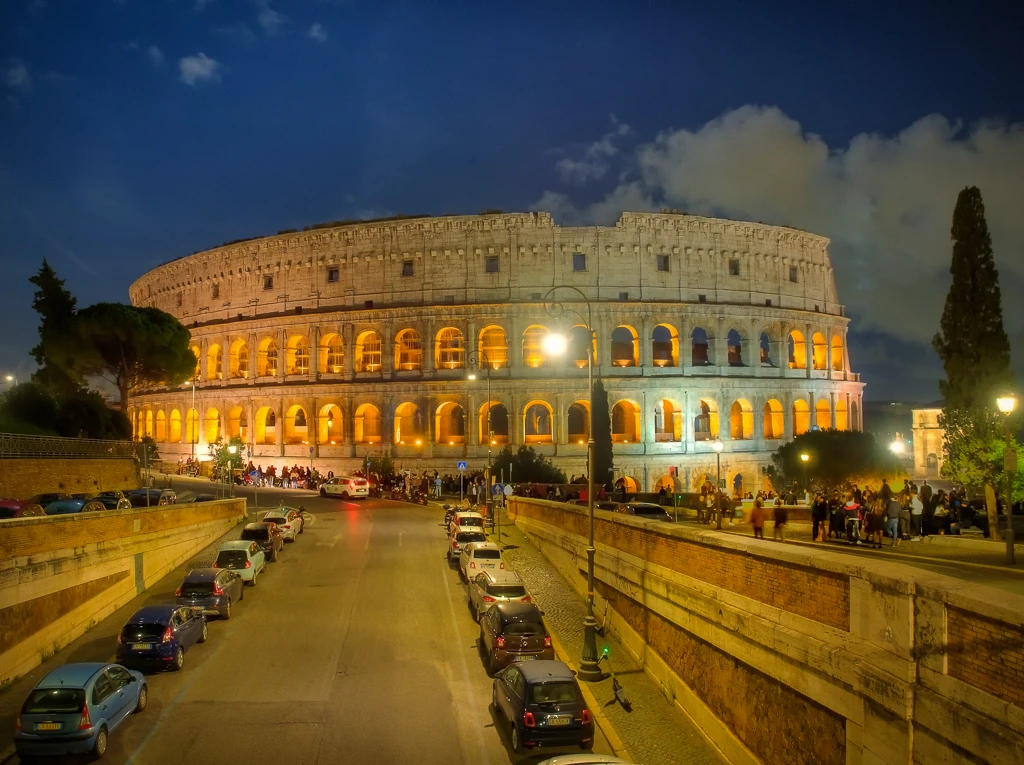
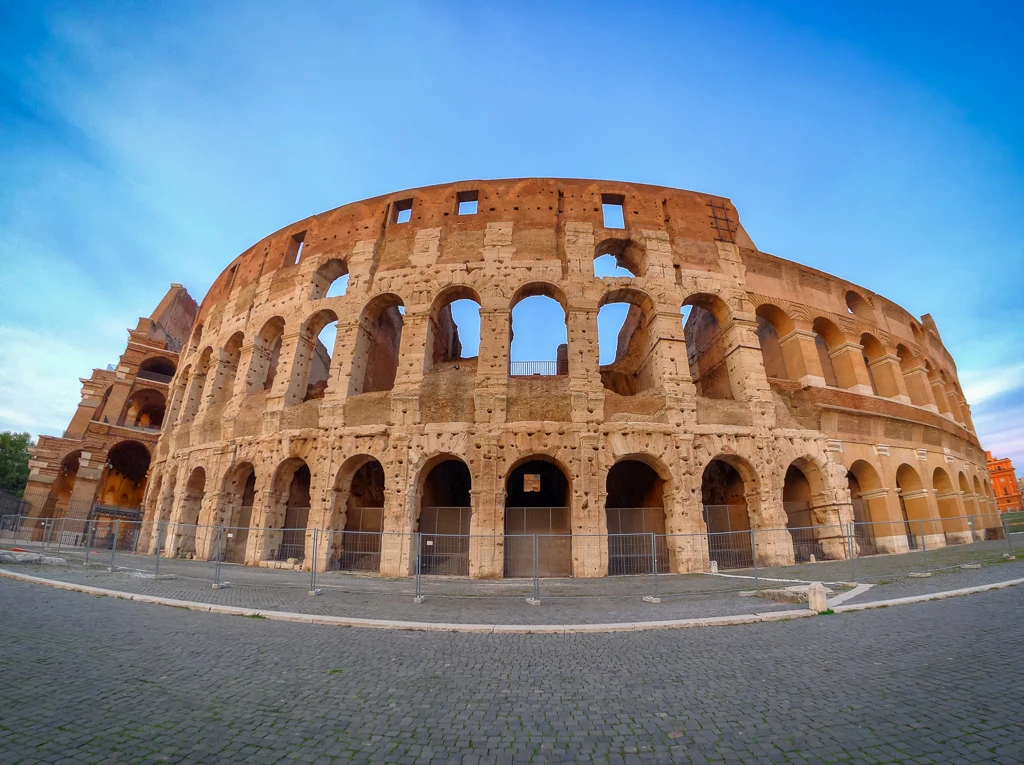
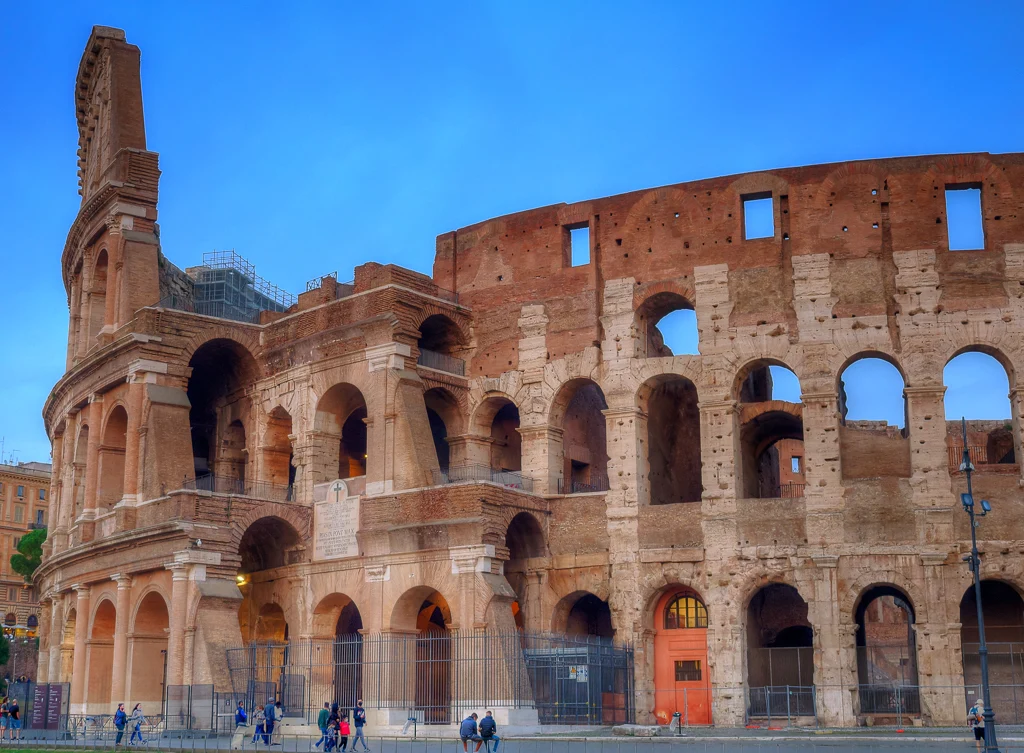
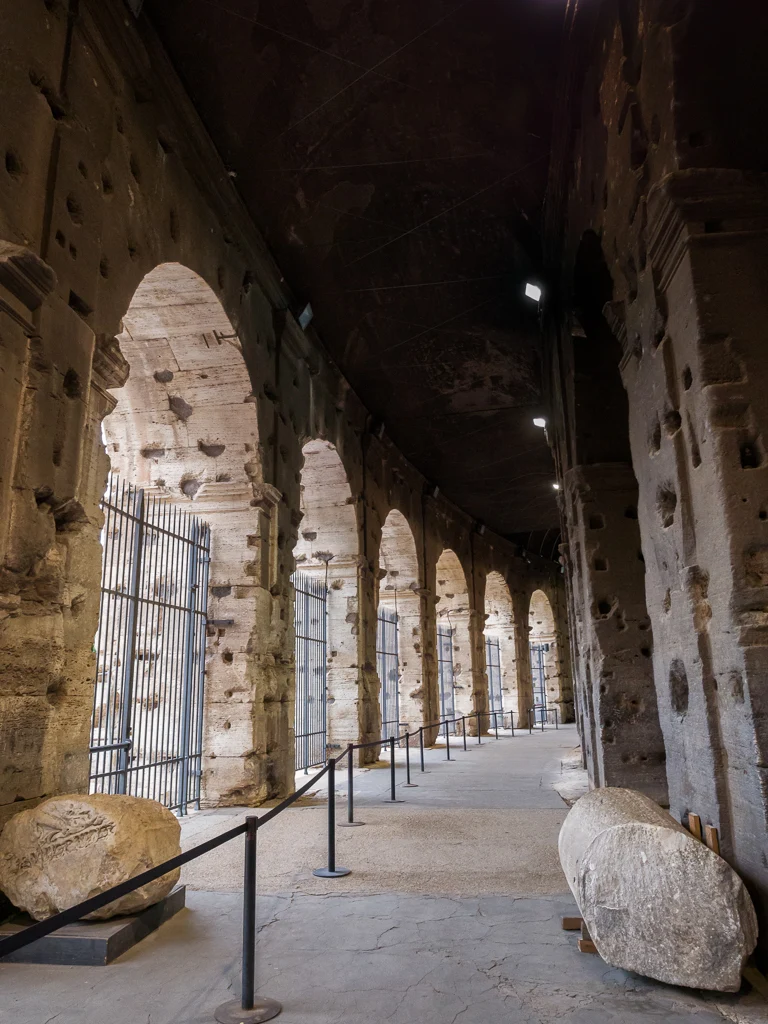
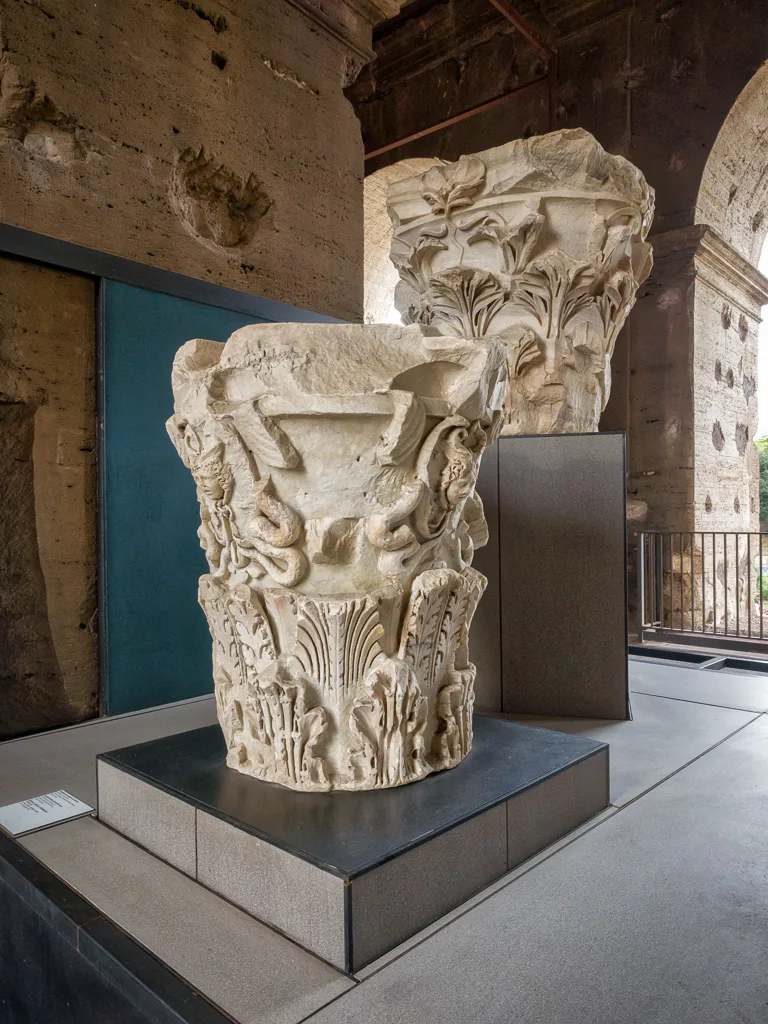
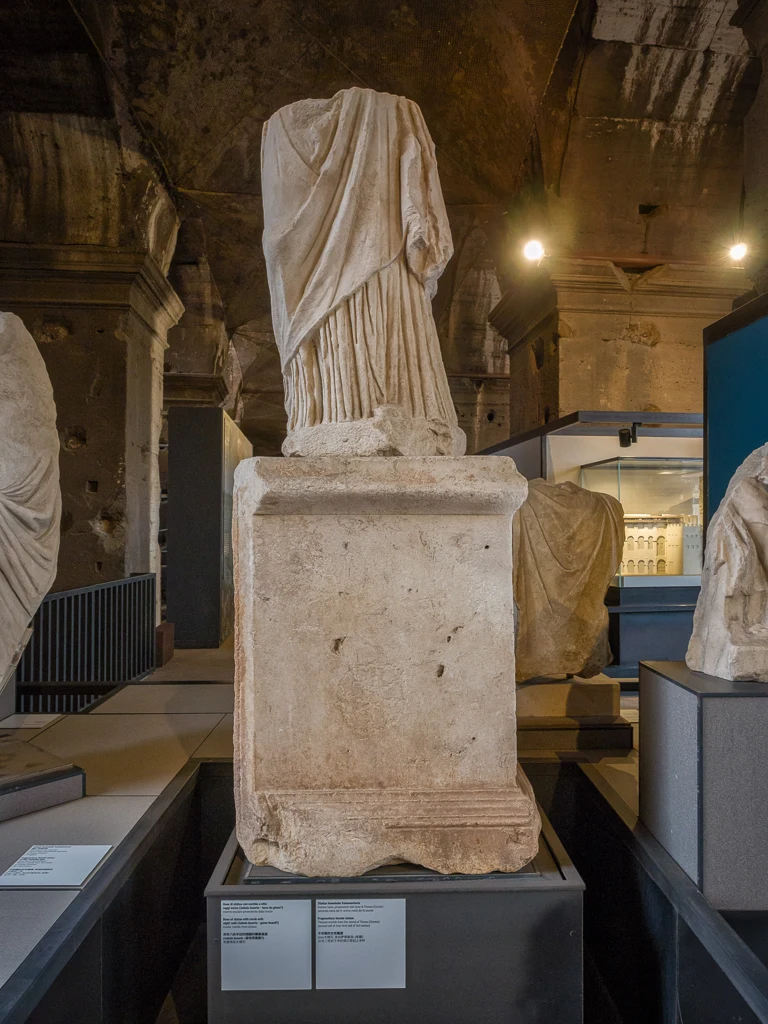
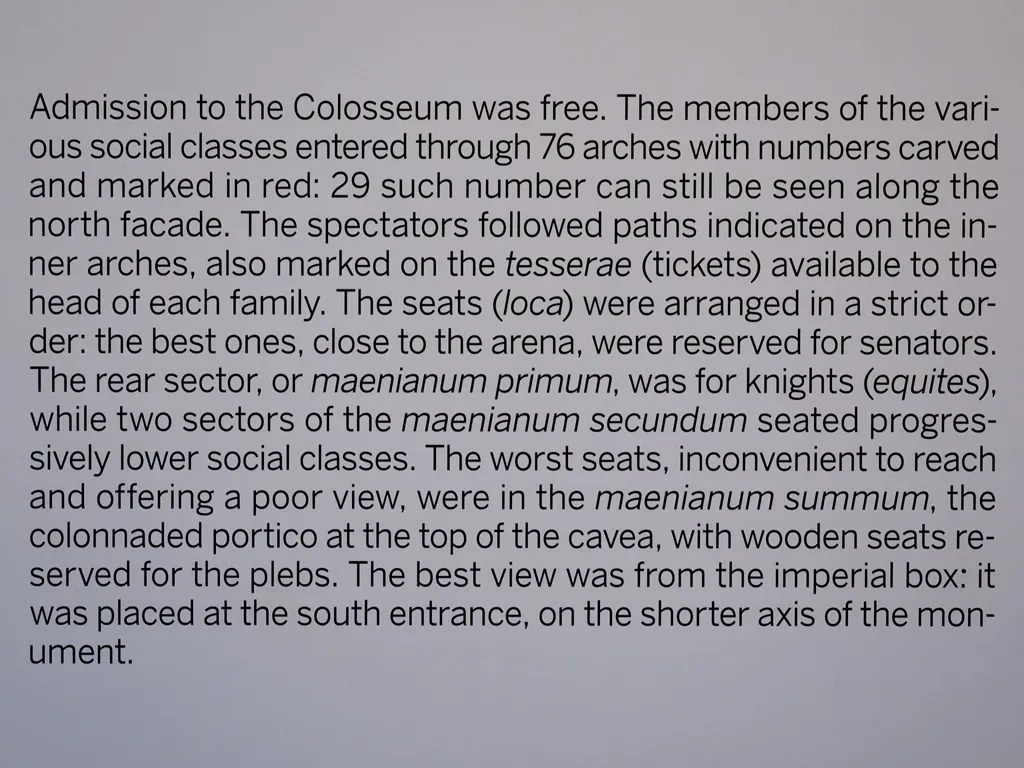
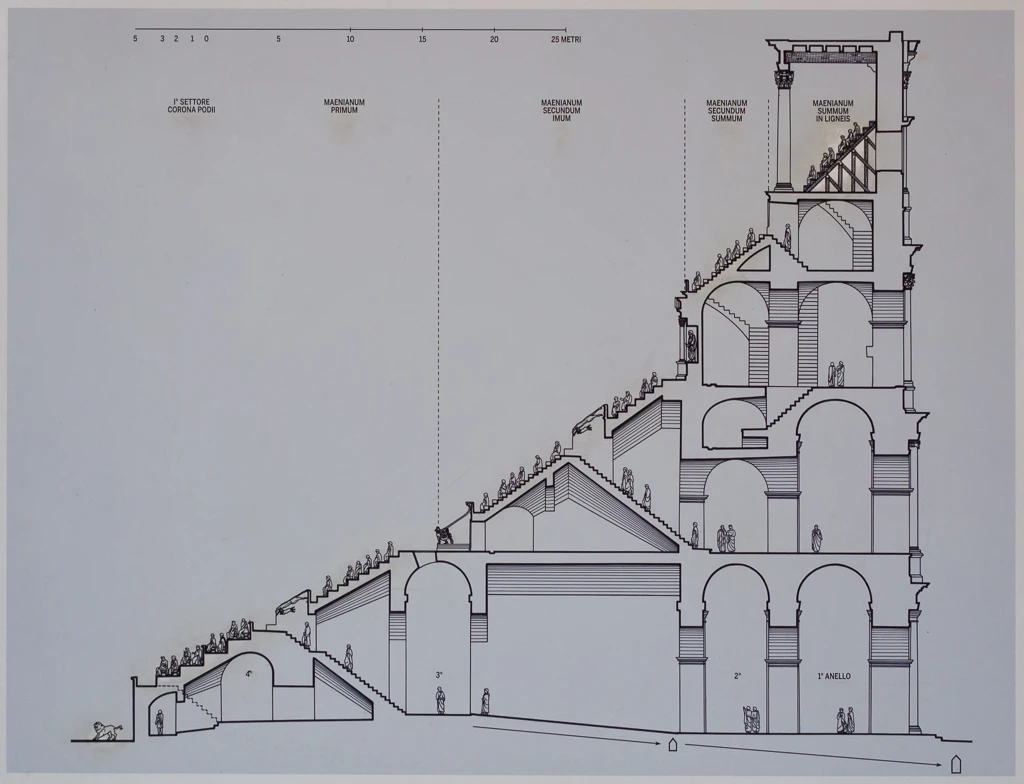
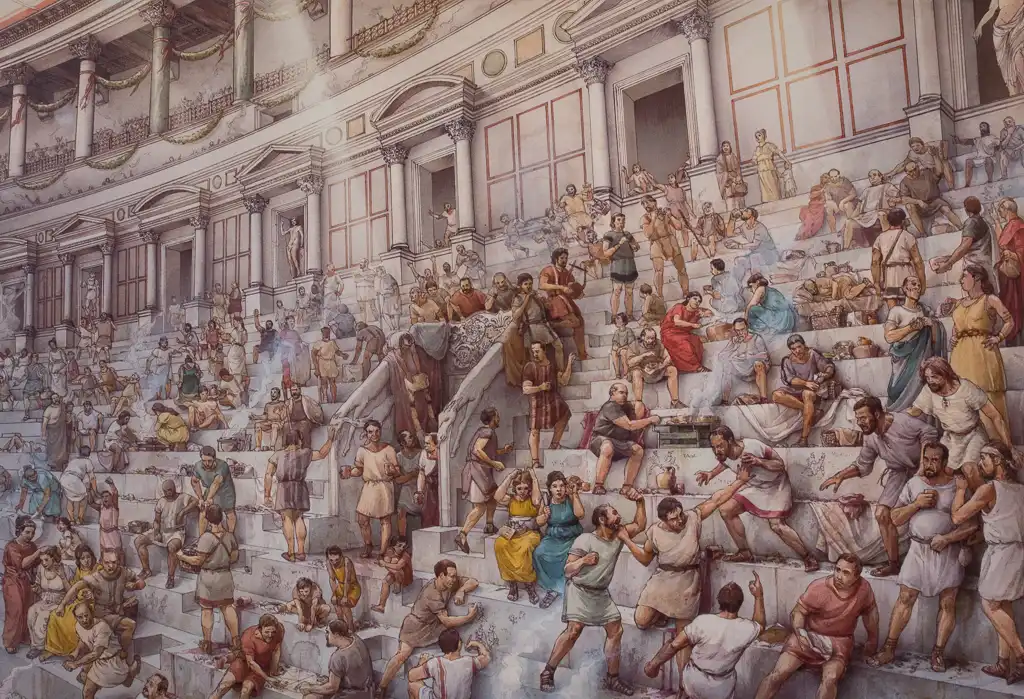
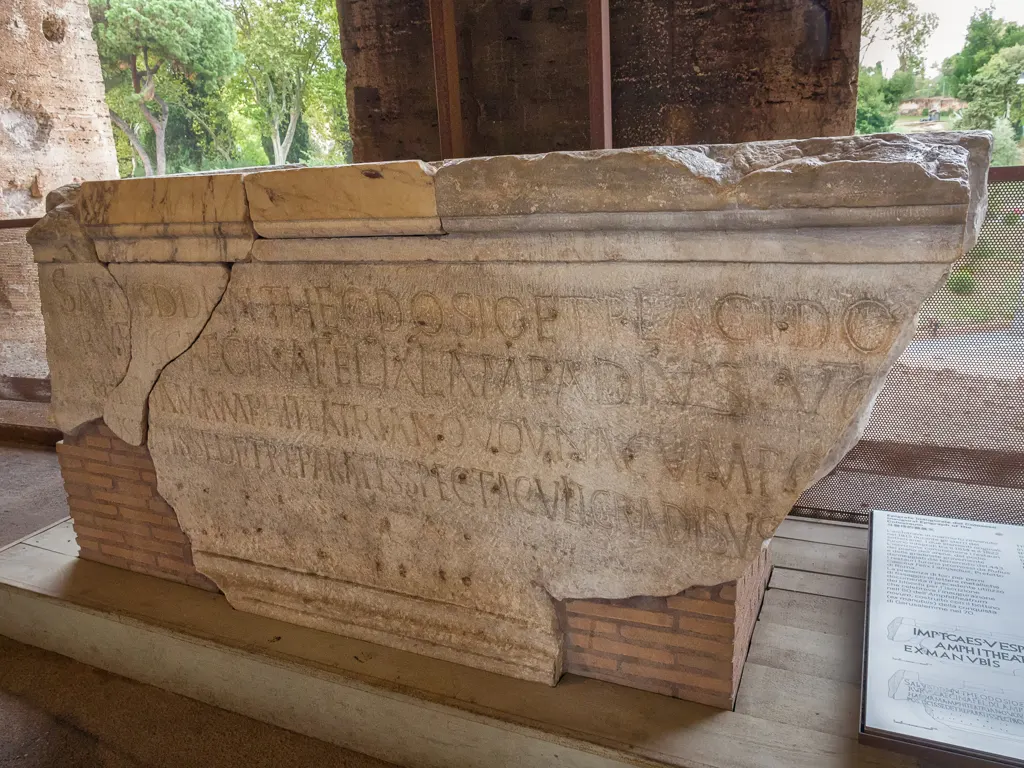
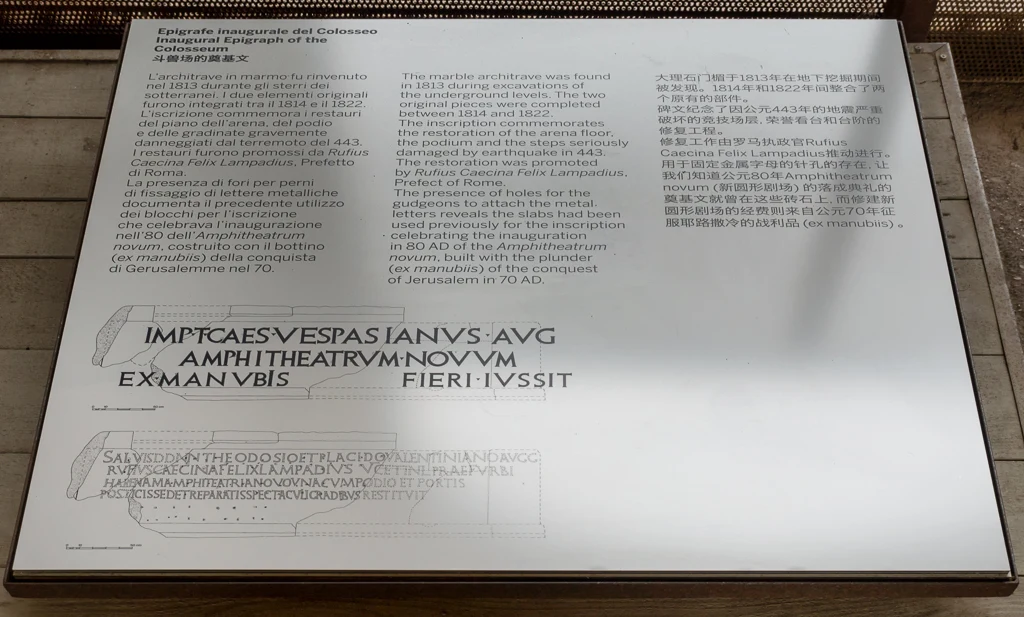
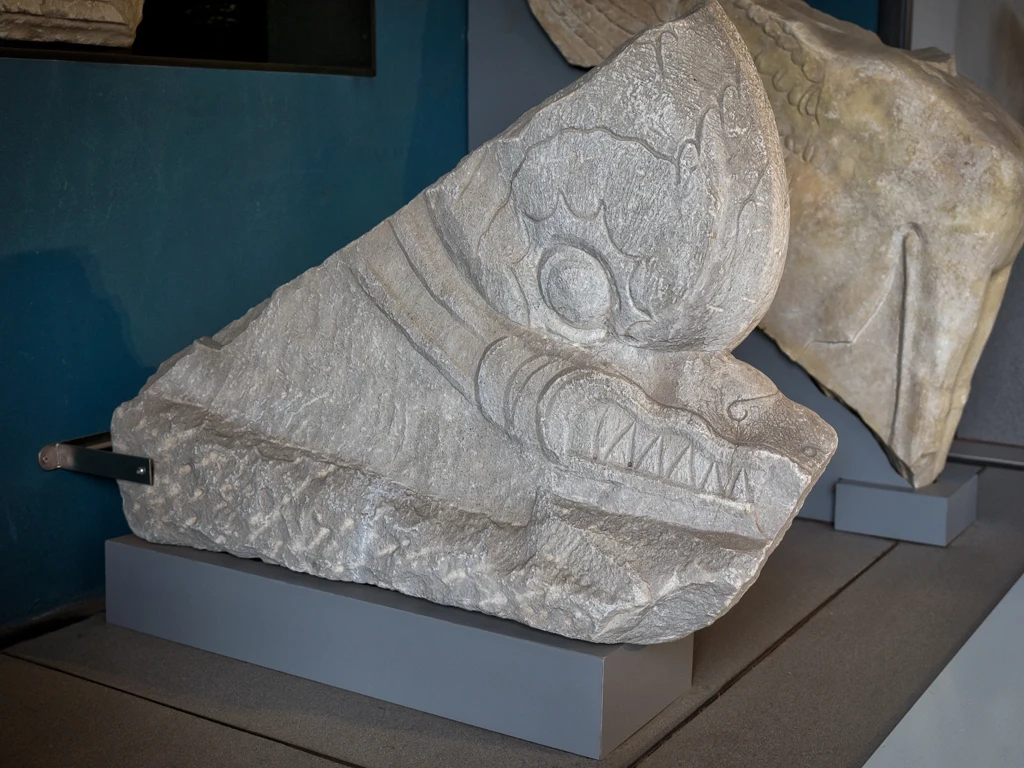
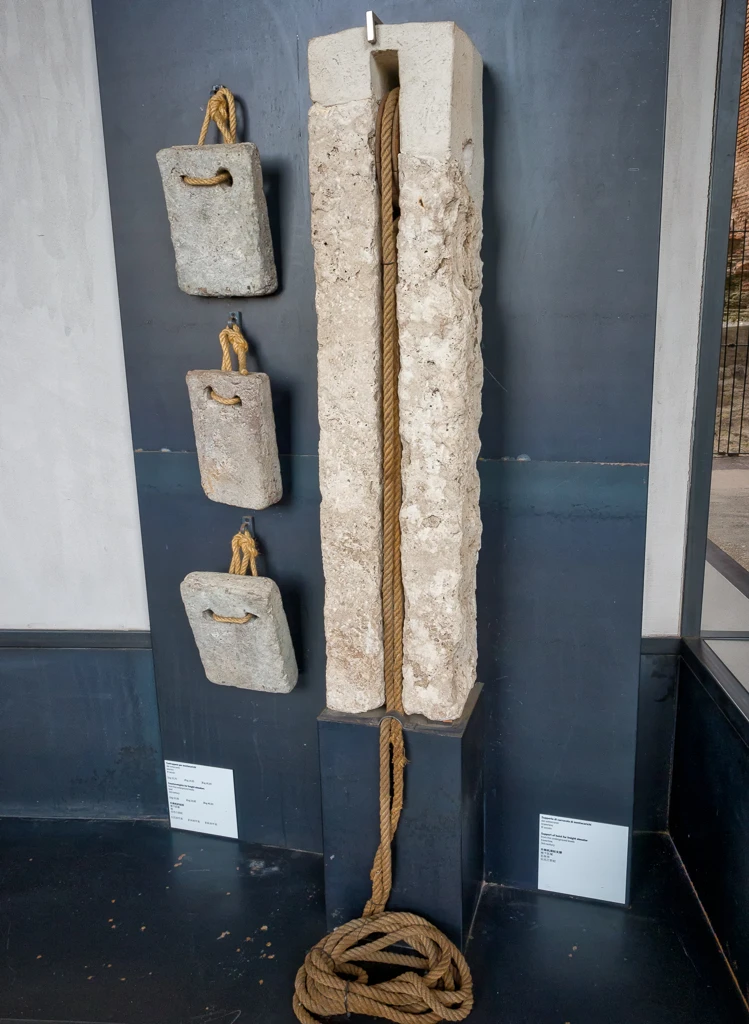
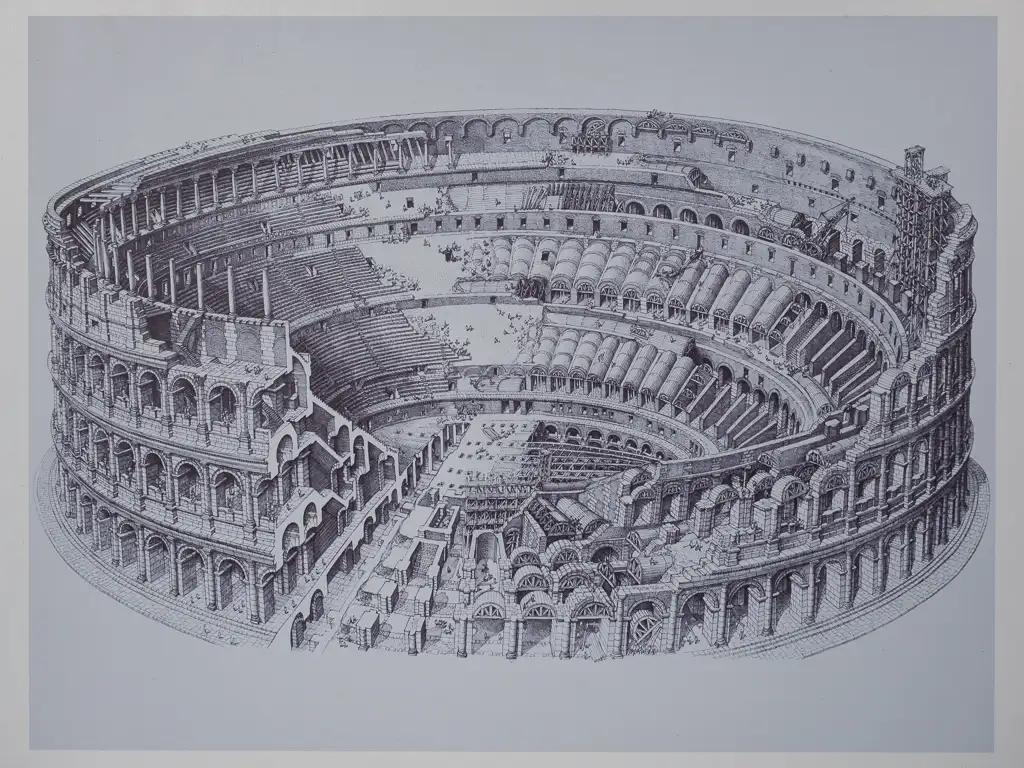
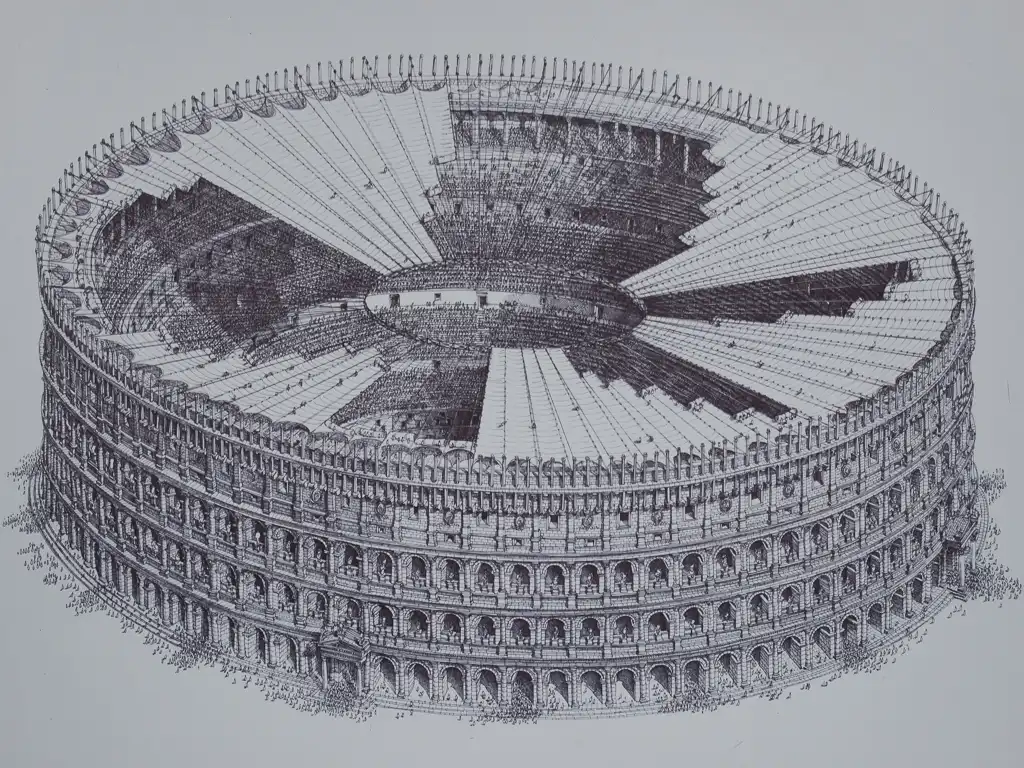
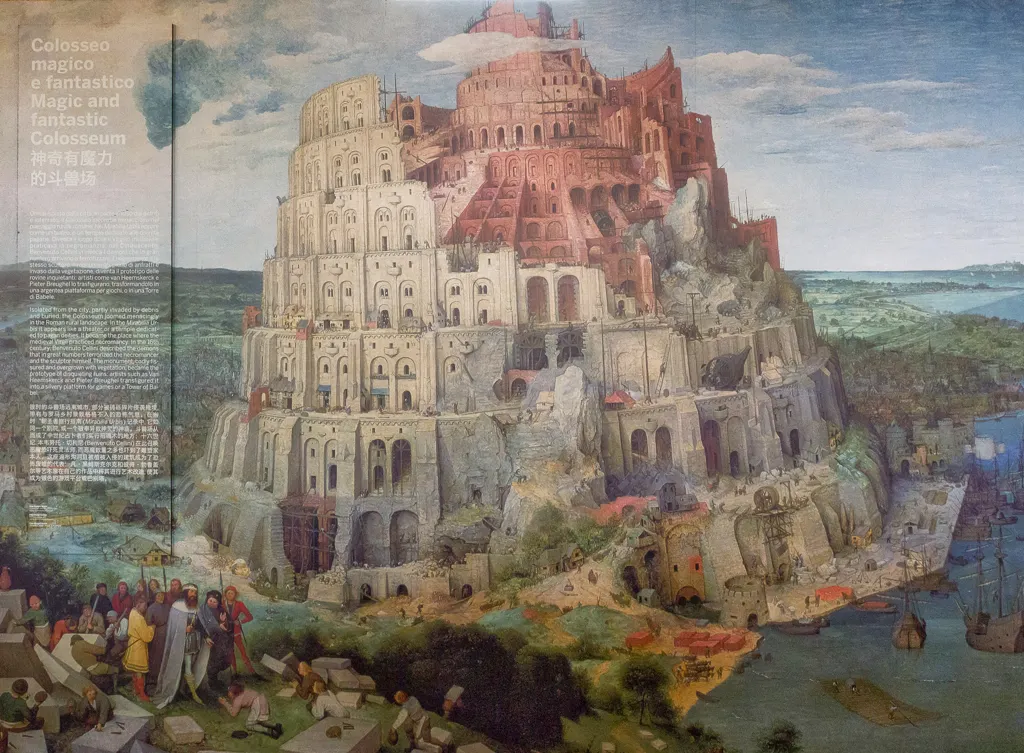
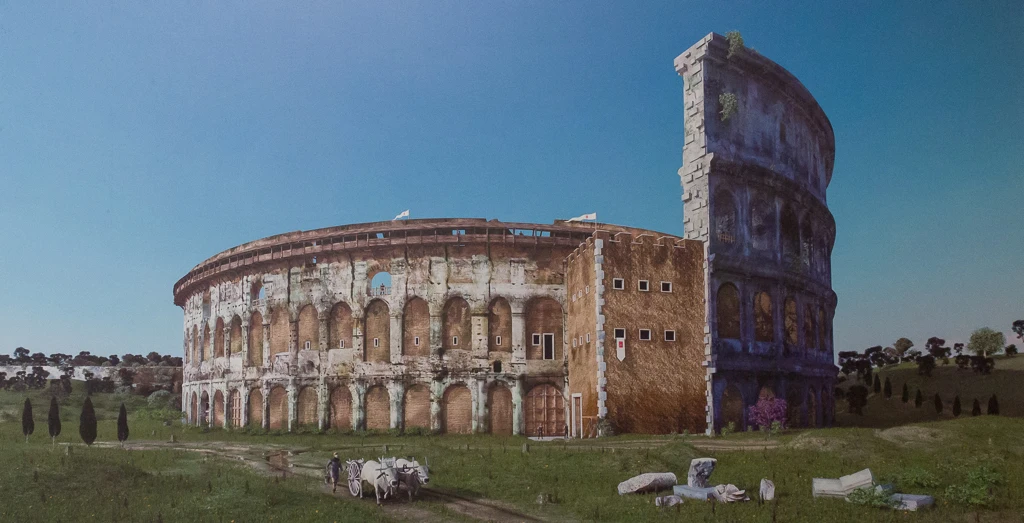
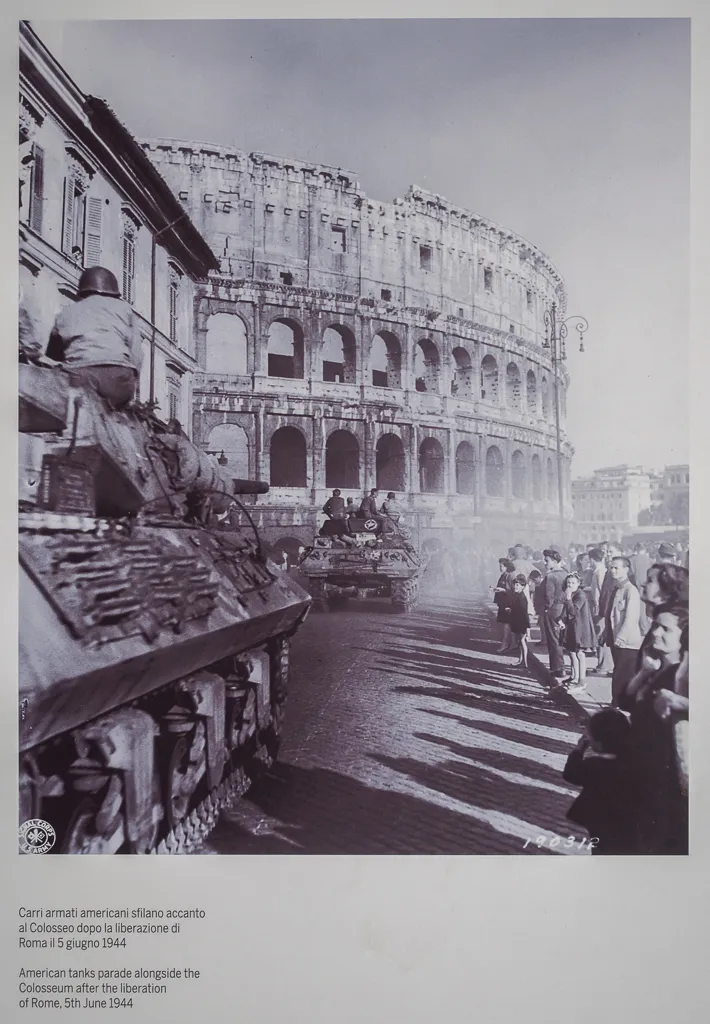
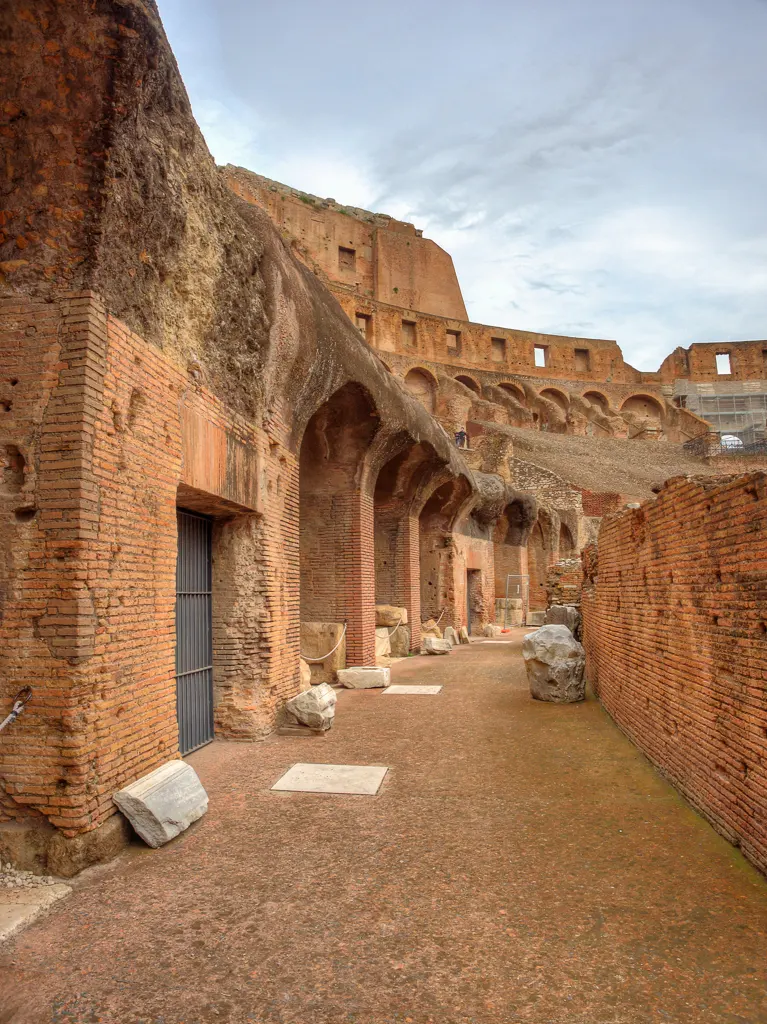
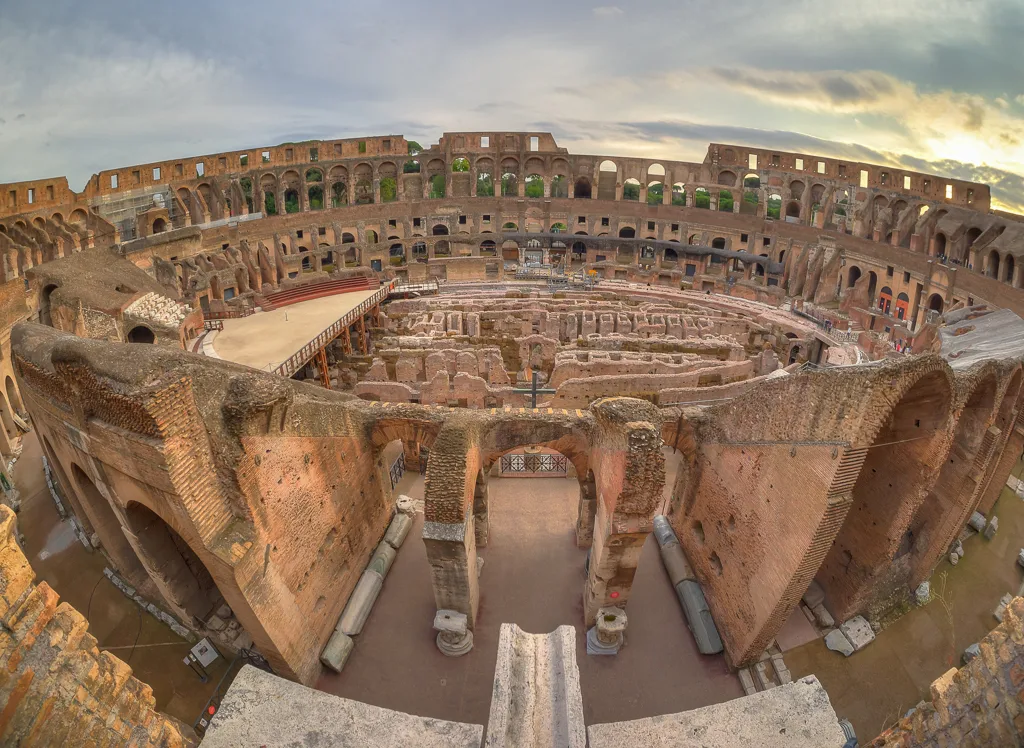
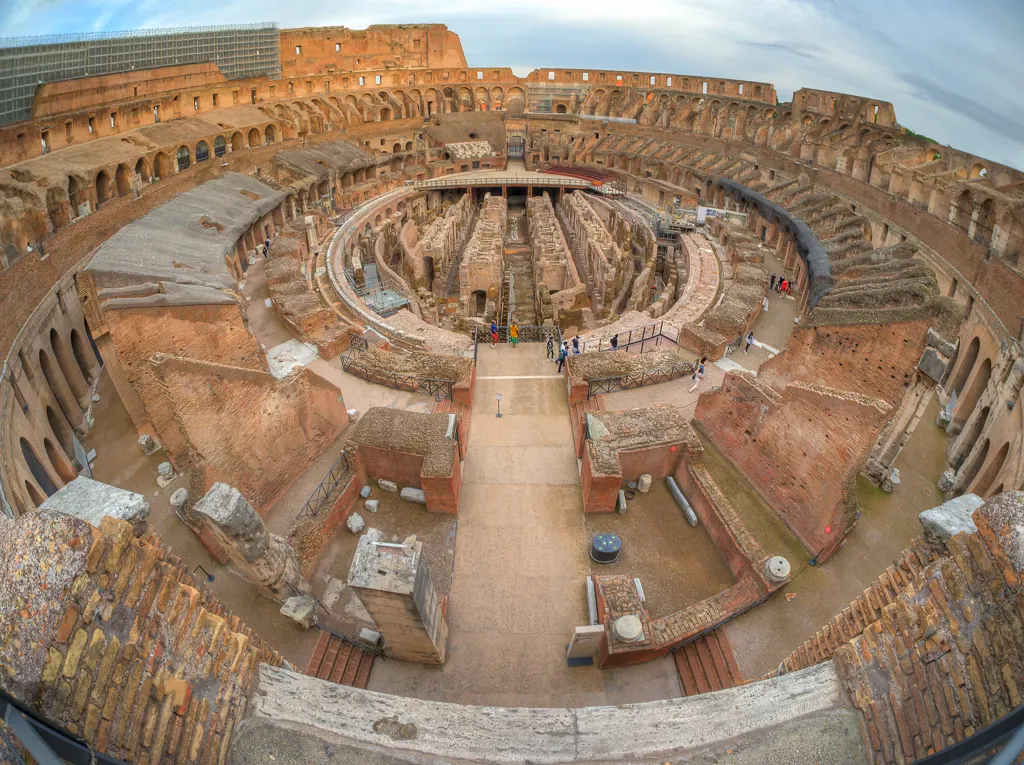
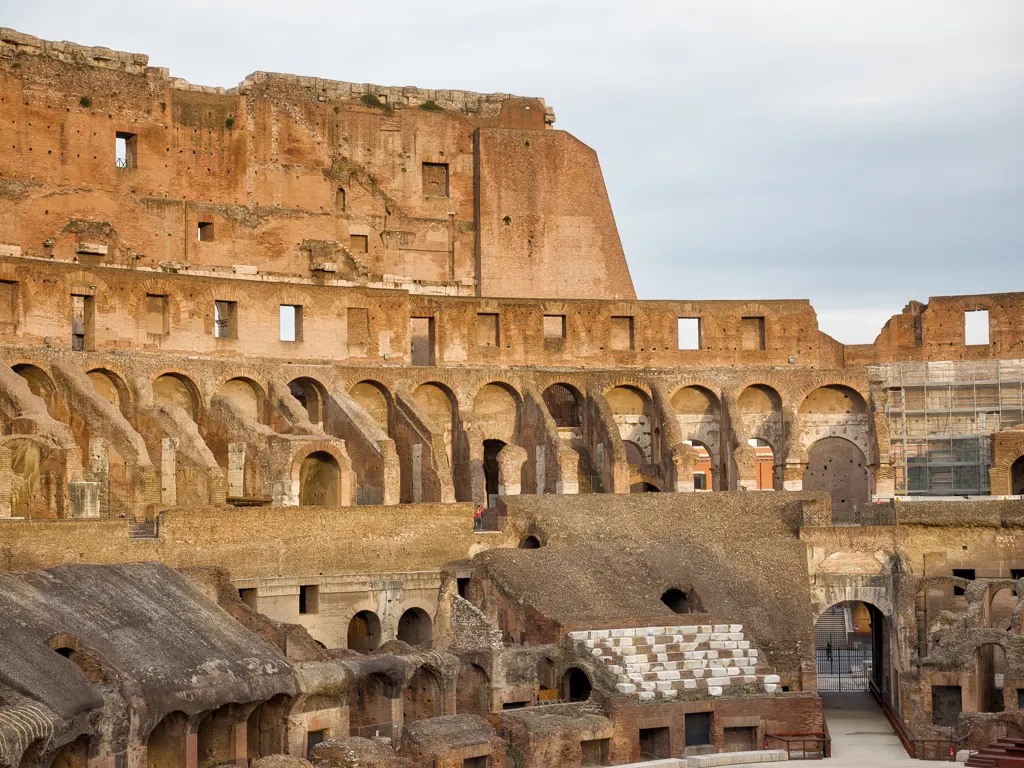
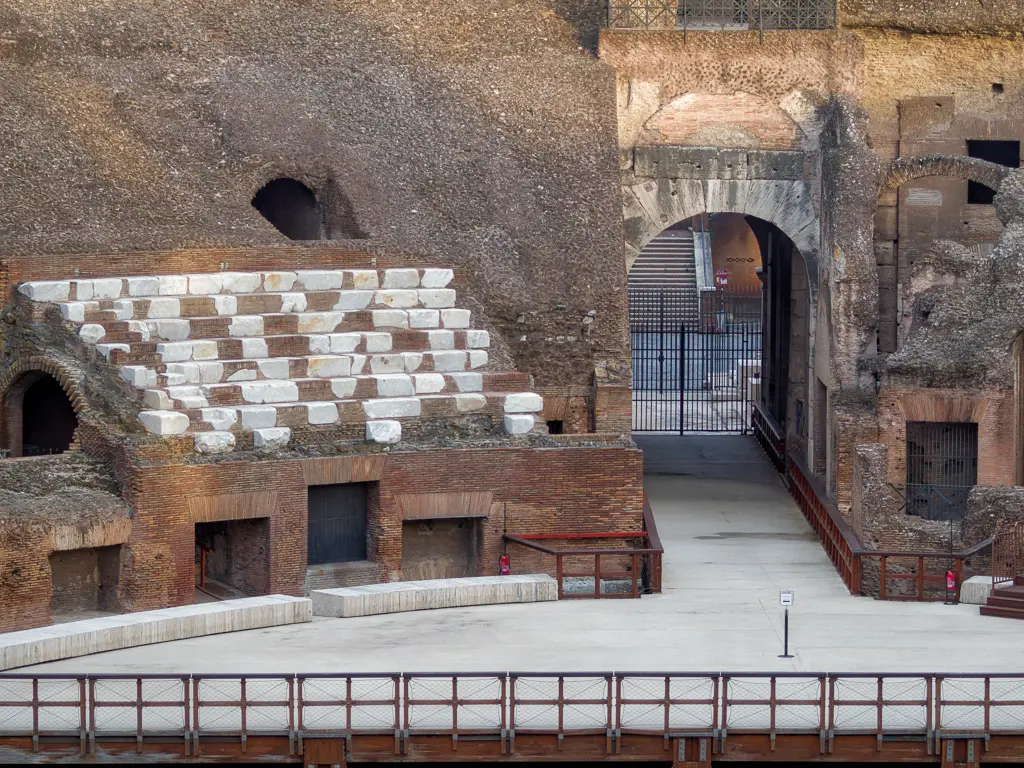
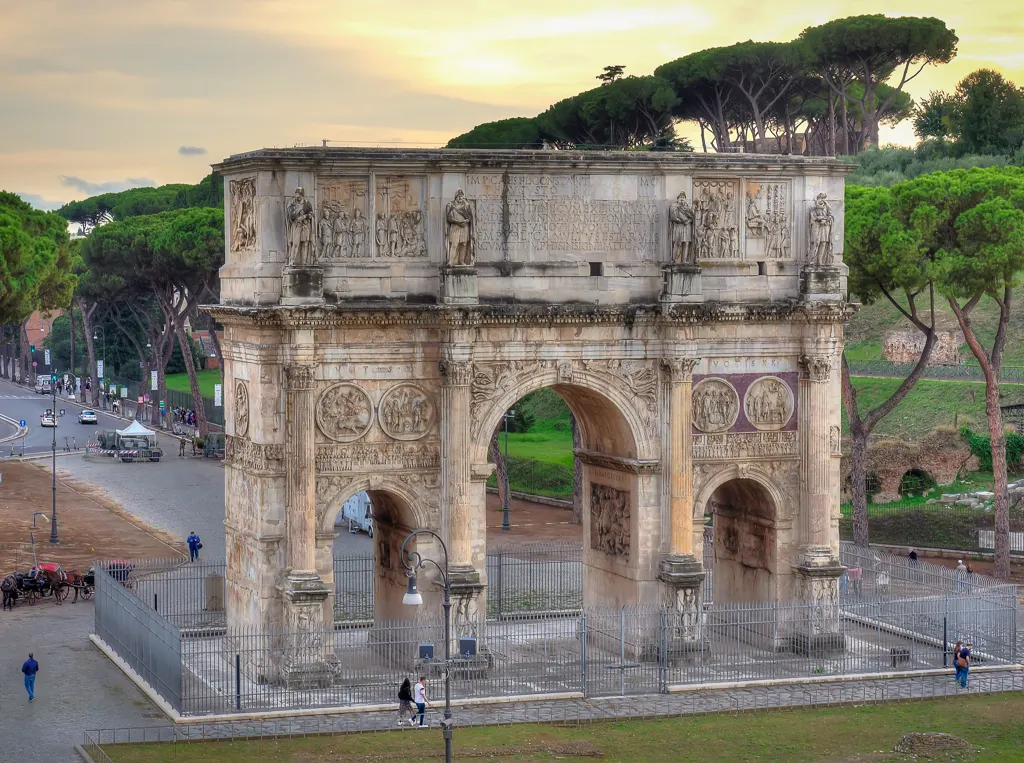
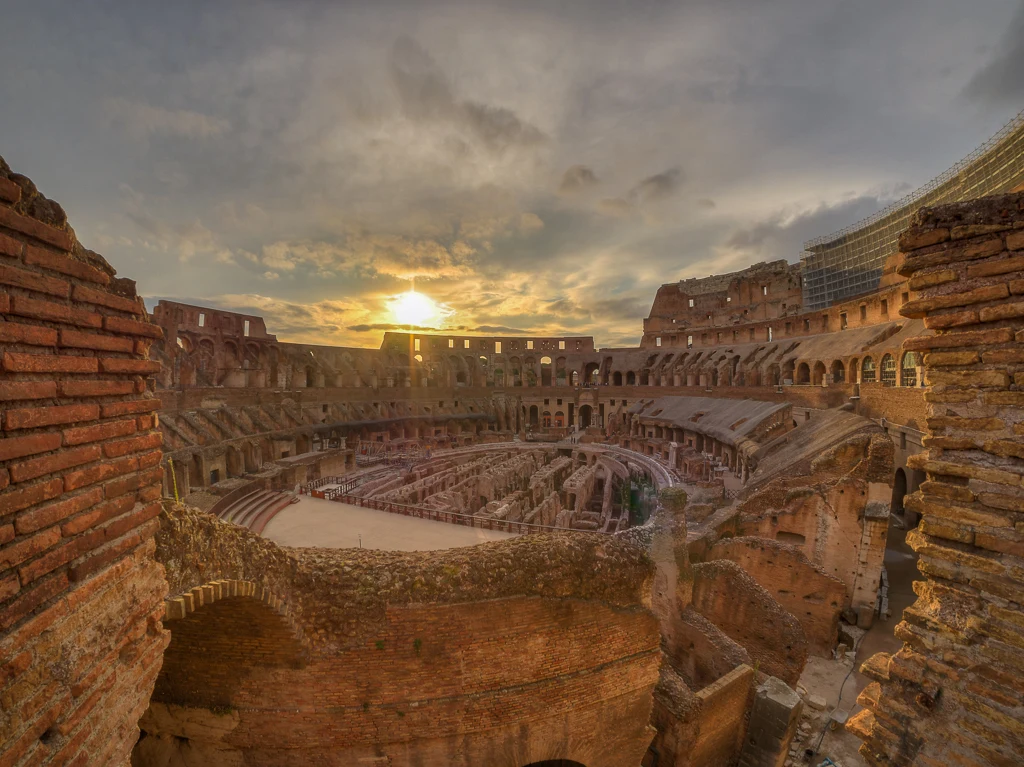
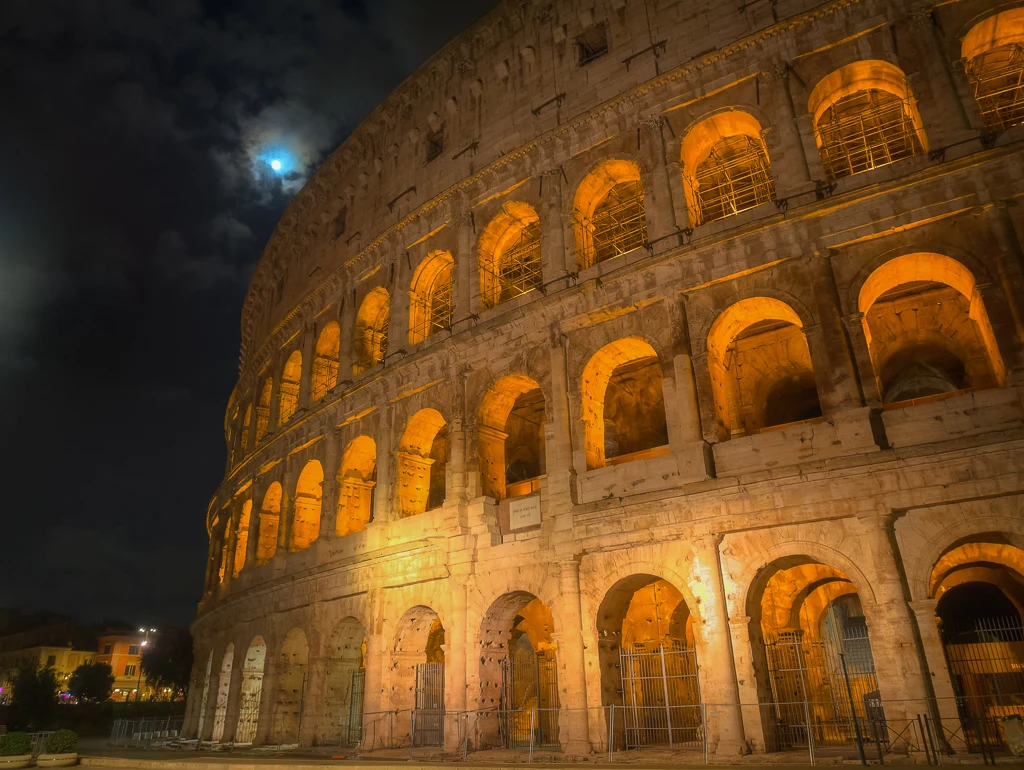
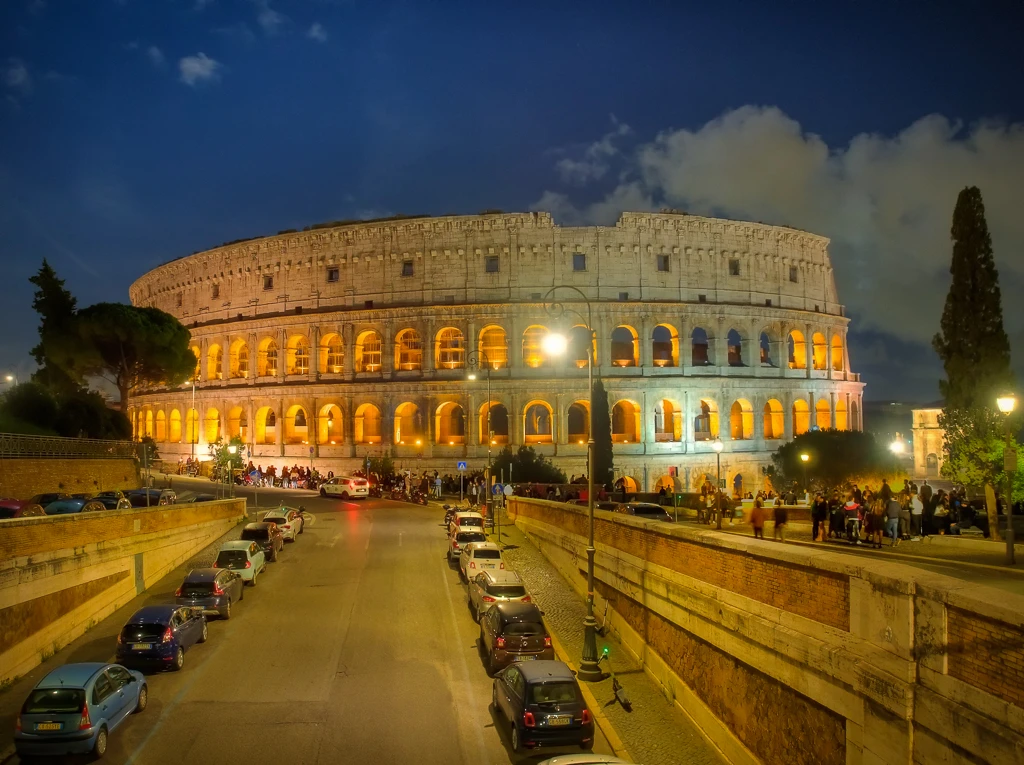
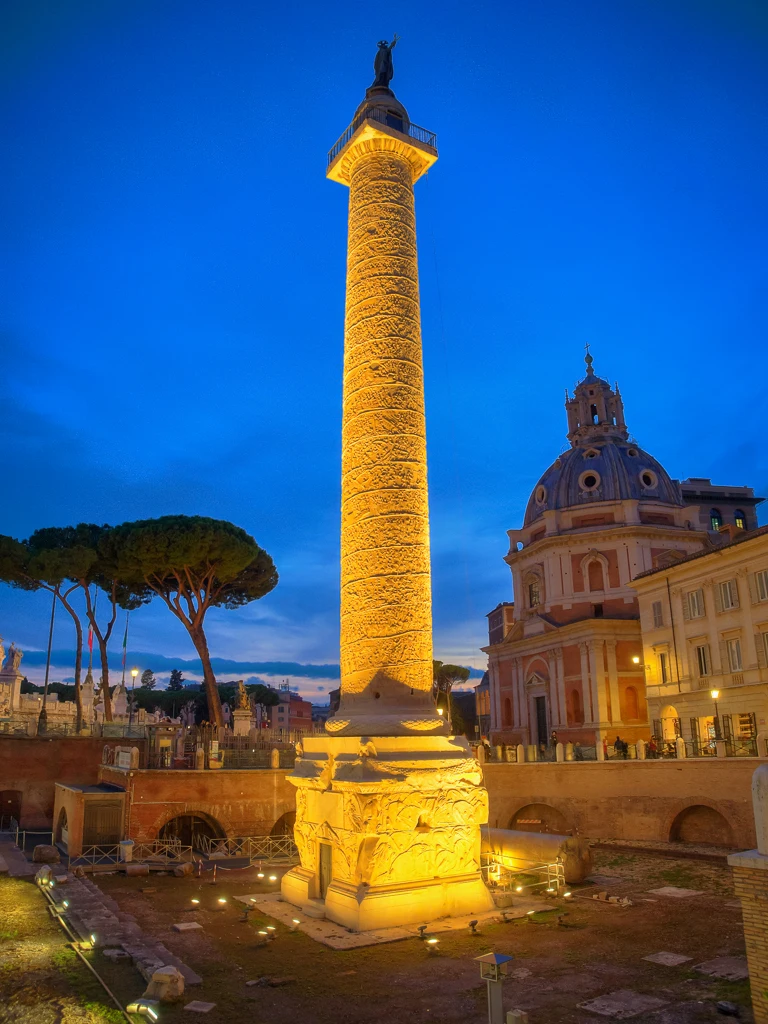
The Colosseum, the largest standing ancient amphitheatre ever built and still standing today (AD 70–80; 1941 years ago as from 2021) - The ColosseumThe partially intact outer wall and the intact inner wall of the Colosseum - The ColosseumAt first I thought these were bullet holes from the World Wars but then I found out thousands of holes were made by workers pilfering the iron for use in creation of other structures or for weaponry during the time of the ancient Roman Empire when the population of the city dramatically declined - The ColosseumFigured Corinthian capital with Gorgon late 1st-2nd century - The ColosseumFragmentary female statue - The ColosseumInformation plaque on the interior layout for the spectators of the Colosseum, coincides with the nest two photos - The ColosseumIllustration of the tier system of seating for the Colosseum spectators - The ColosseumIllustration of the rowdy crowds of Colosseum spectators - The ColosseumMarble architrave with Roman inscription - The ColosseumInformation plaque on the following photo of marble architrave - The ColosseumDecorative balustrade that prevented spectators from falling down the stairs in the seating area - The ColosseumCounterweights for freight elevators from the underground levels - The ColosseumCutaway diagram of the Colosseum - The ColosseumAs this diagram shows the velarium which is Latin for awning was used to provide shade and cover for the Colosseum - The ColosseumMany artists have visualised what happened to the Colosseum after it's decline and this piece called Mirabilia Urbis depicts it as a fantasy medieval site - The ColosseumInformation plaque about the following photo and the baronial Frangipane family that settled into the Colosseum c. 1130 - The ColosseumThe Colosseum after the baronial Frangipane family had moved in - The ColosseumAmerican tanks parade alongside the Colosseum after the liberation of Rome, 5th June 1944 - The ColosseumWalking along the corridors of the seating area in the Colosseum - The ColosseumWalking along the corridors of the seating area in the Colosseum - The Colosseum Overview of the interior of the Colosseum - The ColosseumLooking in the center of this photo you can see how the arena was raised above the basement floor which was packed with slaves, gladiators & animals - The ColosseumA view of the arches where once seating would be - The ColosseumThese white marbled seats where reserved for senators and boxes on North & South ends where for the Emperor & Vestal Virgins with the best views of the arena - The ColosseumThe Arch of Constantine, a triumphal arch in Rome dedicated to the emperor Constantine the Great - The ColosseumSun setting over the interior of the Colosseum - The ColosseumThe moon shines over the exterior of the Colosseum at night - The ColosseumThe Colosseum as seen at night - The ColosseumTrajan's Column c. AD 107-113 commemorates Roman emperor Trajan's victory in the Dacian Wars - The Colosseum